Call Me
+86-19280460621

Email
Dora.chen@fvluoky.com
High-temperature chemical processes leave very little room for measurement error. Once a reactor, transfer line, or pressurized vessel begins operating under sustained heat, an instrument has to do more than survive the temperature. It must continue to reflect the real process condition even when heat transfer, chemical exposure, pressure changes, and sensor aging begin to affect the measurement environment.
That is why selecting chemistry measuring equipment should start with the process itself. The key questions are where the measurement is taken, what the sensor is exposed to, how quickly the process changes, and how the resulting signal will be used. In many industrial applications, an instrument used to measure chemical analysis also needs support from reliable temperature, pressure, flow, or level measurements before operators can make confident control decisions.
For high-temperature applications, the best instrument is therefore not necessarily the one with the highest temperature rating. It is the one whose measurement principle, materials, range, and installation method remain suitable under the actual operating conditions.
Heat changes more than the temperature of the process medium. It can alter the way materials behave, accelerate chemical attack, affect seals and connections, and introduce measurement errors that may not appear under normal ambient conditions.
One of the most common mistakes is to focus on the temperature limit of the sensing element while overlooking the rest of the measurement assembly. A sensor itself may tolerate a demanding process temperature, but the sheath, process connection, seal, cable, transmitter housing, or other surrounding components may have different limits. This means the usable temperature of an installed instrument should be judged as a complete system rather than from one specification on a datasheet.
Chemical compatibility also becomes more complicated as temperature rises. A material that offers acceptable resistance to a certain chemical at a lower temperature may corrode more quickly under hotter conditions. For this reason, chemistry measuring equipment should be selected with both temperature and process medium in mind. Treating corrosion resistance and temperature resistance as two unrelated requirements can lead to premature instrument failure.
High temperature can also create uneven conditions inside the process itself. In a large vessel, the temperature close to the wall may differ from the temperature in the central reaction zone. A sensor installed in a convenient but unrepresentative location may therefore produce a technically correct reading that is still unsuitable for process control.
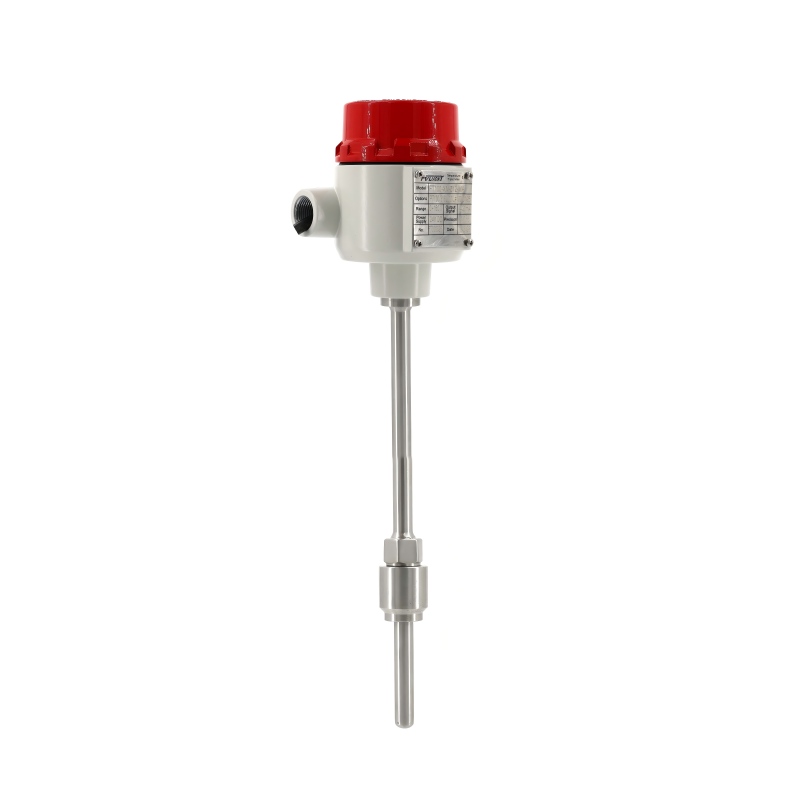
Temperature is usually the first variable considered in a high-temperature application, but it is rarely the only one that matters. Chemical reactions, heated transfer lines, pressurized vessels, and evaporation systems often involve several process variables that influence one another.
Temperature measurement helps confirm whether heating or cooling is occurring as expected. Pressure becomes important when heat changes vapor pressure or when the process is contained in a closed vessel. Flow measurement can reveal whether the correct amount of material is entering or leaving a process, while level measurement helps operators understand how much material remains inside a tank or reactor as conditions change.
This is where the meaning of an instrument used to measure chemical analysis needs to be understood carefully. In a laboratory, chemical analysis may focus on composition, concentration, or purity. In a production environment, however, process decisions often depend just as heavily on physical measurements that show whether the reaction environment is stable.
| Process Variable | Typical Measurement Approach | Main High-Temperature Concern | Selection Priority |
|---|---|---|---|
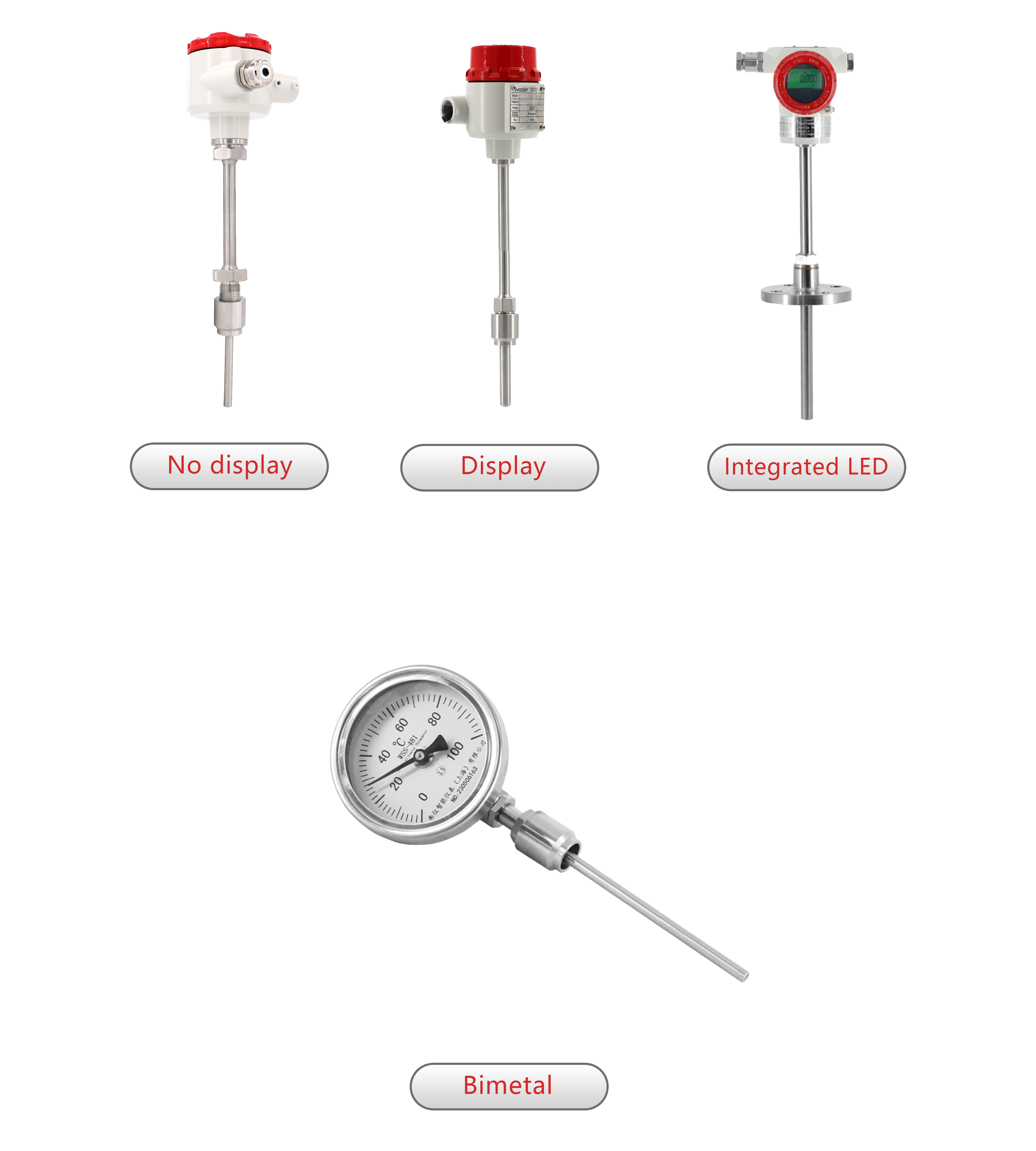
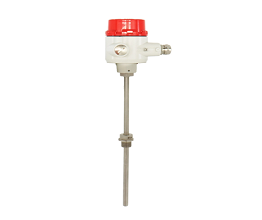
| Temperature | Thermocouple, RTD, temperature transmitter | Thermal drift and sensor protection | Usable range, response, and installation position |
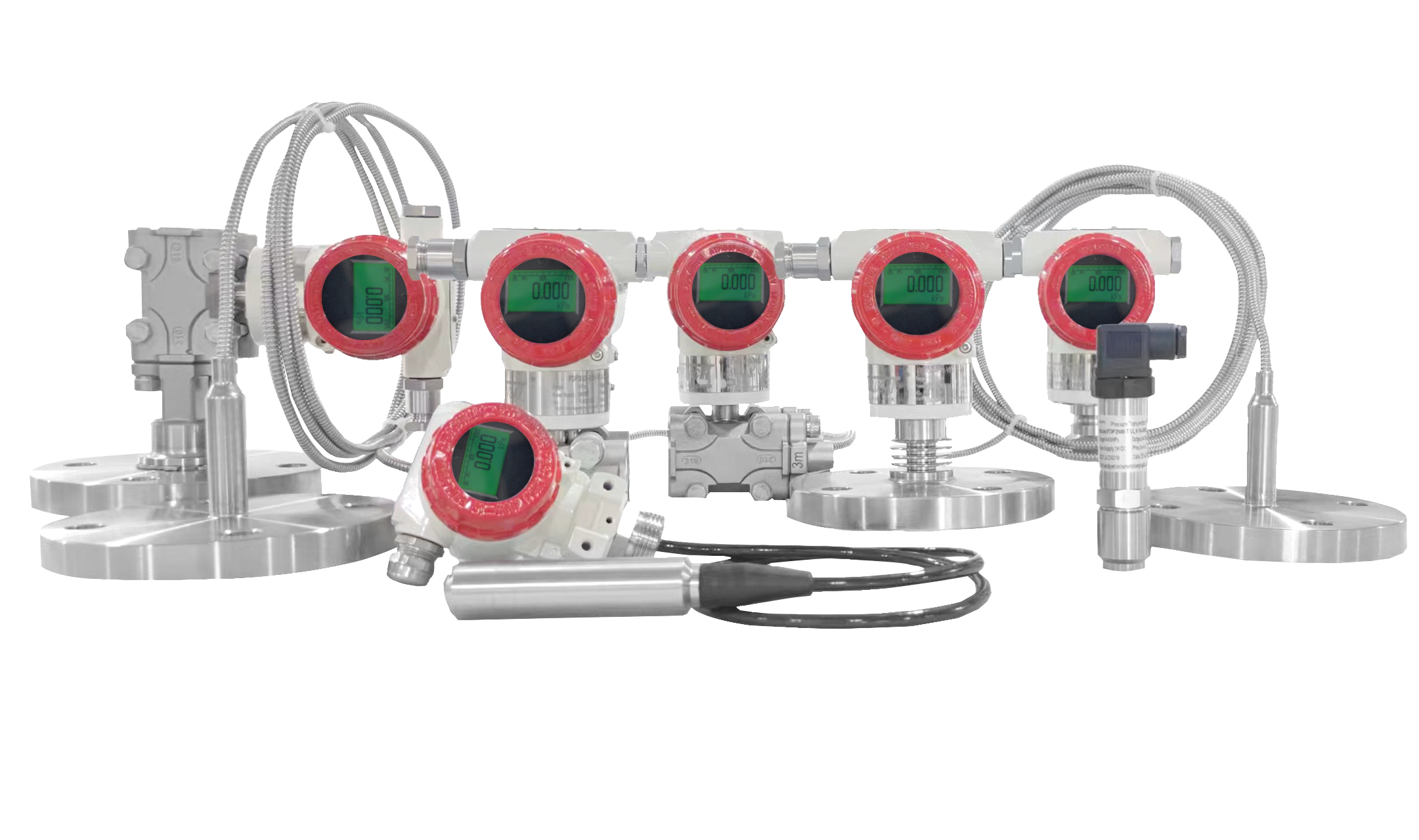
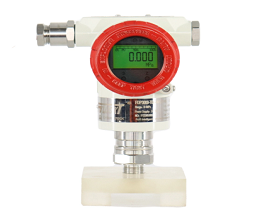
| Pressure | Pressure or differential pressure transmitter | Heat transfer toward sensitive components | Process connection and thermal isolation |
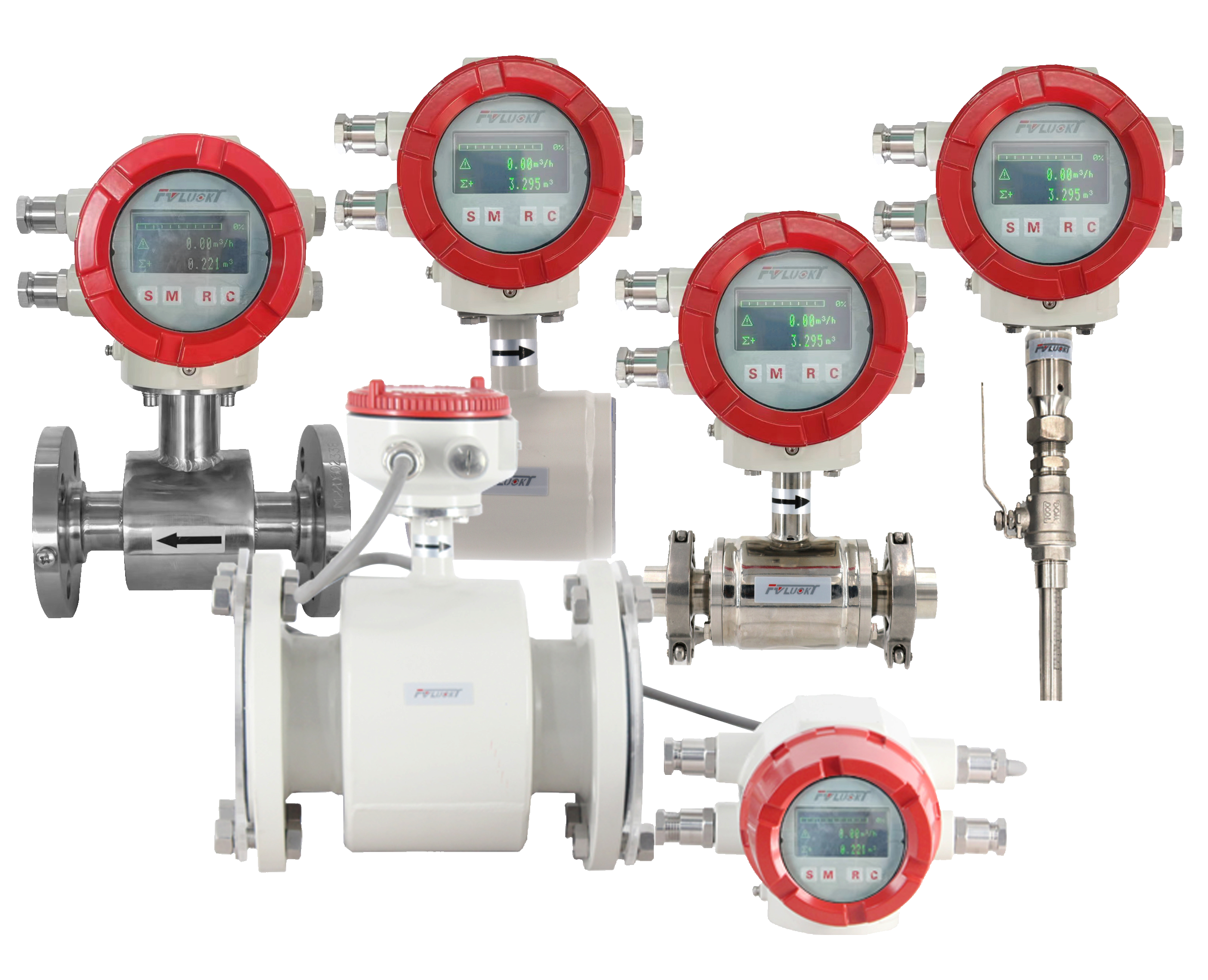
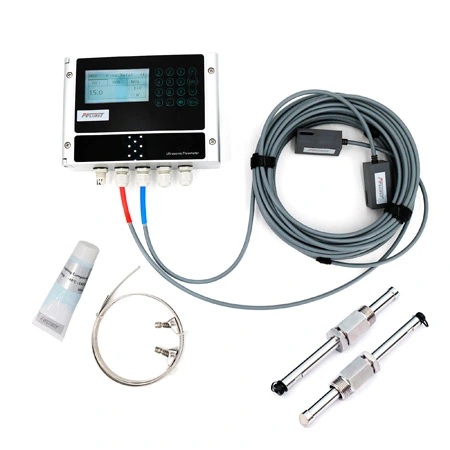
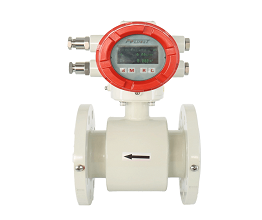
| Flow | Flowmeter matched to the process medium | Changes in fluid properties at elevated temperature | Measurement principle and process compatibility |
| Level | Radar, ultrasonic, float-based, or other level technology | Hot vapor, condensation, and surface disturbance | Vessel conditions and measurement method |
The comparison shows why there is no single piece of chemistry measuring equipment that can solve every high-temperature application. The appropriate measurement principle depends on the variable being monitored and on the conditions around the measuring point.
Once the process variable is clear, the next step is to determine whether the instrument will operate comfortably within the expected process range. An instrument should not be selected only for normal operating conditions if the process is likely to experience higher temperatures or pressure during startup, shutdown, cleaning, or temporary process disturbances.
At the same time, choosing the widest possible measuring range is not always the best approach. What matters is whether the selected range suits the actual process window while providing the accuracy and response required for control.
For temperature measurement, thermocouples are widely used in high-temperature applications because they can be configured for demanding industrial environments. RTDs are also common where stable and precise measurement is required within a suitable temperature range. The decision between them should not be reduced to a simple question of which sensor can withstand more heat. Response time, mechanical protection, expected service life, and the required measurement accuracy all influence the final choice.
The same principle applies to pressure measurement. If a hot chemical medium reaches the transmitter directly, temperature may become the limiting factor even when the pressure range itself is suitable. Depending on the process, the measuring element may need to be protected or separated from the hottest part of the system through an appropriate connection or isolation arrangement.
Material selection should also reflect the real process medium rather than a general description such as “corrosive liquid.” The concentration of the chemical, operating temperature, and exposure time can all change how aggressively the medium attacks the sensor or wetted components.
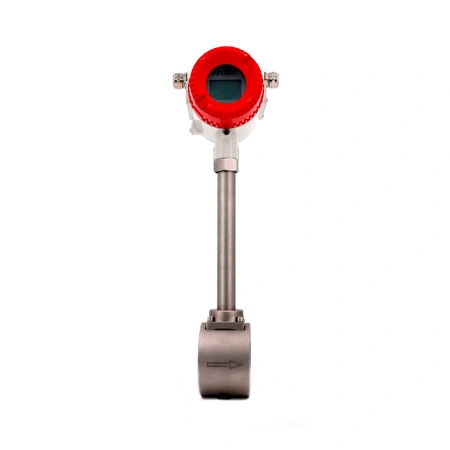
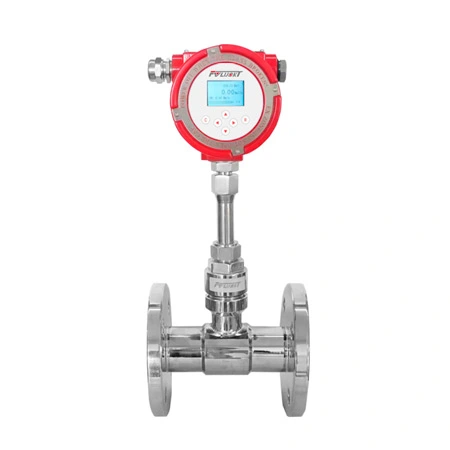
When comparing possible configurations, it is more useful to review FVLUOKY temperature, pressure, flow, and level measurement products against the actual operating condition than to compare isolated specifications from unrelated instruments. This makes it easier to select a measurement method that fits the process rather than forcing the process to fit a preferred instrument.
Accuracy in a high-temperature process is influenced by much more than the accuracy figure printed on a product datasheet. That specification normally describes instrument performance under defined test conditions. A working chemical process adds heat conduction, vibration, material aging, process buildup, and changing ambient conditions.
A sensor with a strong accuracy specification can still produce a poor process reading if it is installed in the wrong position. For example, a temperature probe located too close to a vessel wall may be influenced by heat loss through the vessel structure. The result may be stable and repeatable, yet still fail to represent the actual temperature of the process material.
Sensor protection can introduce another trade-off. A stronger protection structure may improve resistance to mechanical or chemical damage, but additional material between the sensing element and the process can slow its response to rapid temperature changes. In a stable storage process this may have little effect, while in a fast reaction it may matter considerably.
This is why preserving accuracy requires the supplier and user to consider what kind of accuracy the process actually needs. The question is not only whether an instrument is accurate under laboratory conditions, but whether the complete measurement system can respond correctly in the real installation.
Calibration also remains important, particularly when an instrument is exposed continuously to severe heat. If readings begin to drift, recalibration may correct the output, but repeated drift can also indicate sensor aging, process deposits, or changes in installation conditions. These causes should be investigated instead of treating calibration as the only solution.
Installation conditions often explain why two identical instruments perform differently in similar processes. Even a correctly specified sensor can give misleading information if it is positioned where the process condition is not representative.
For temperature measurement, insertion depth is particularly important. A probe that does not extend far enough into the process may be influenced by surrounding pipework or vessel walls. On the other hand, an installation that places the sensor directly into a turbulent or mechanically demanding area may improve response but increase wear. The correct position depends on what the user actually wants to know about the process.
Pressure transmitters present a different installation problem because heat can travel through the process connection toward the transmitter. In some applications, the pressure measurement remains valid only when the installation prevents excessive heat from reaching temperature-sensitive parts of the device.
Flow measurement is also highly dependent on installation. A flowmeter selected for the correct temperature and medium may still perform poorly if the flow profile at the measuring point is unstable or if the process conditions fall outside the assumptions of the measurement principle.
Level measurement can become more difficult when high temperature creates vapor, condensation, foam, or an unstable liquid surface. These conditions may interfere with certain technologies, which is why the geometry and internal conditions of the vessel should be considered before choosing the level instrument.
In all of these cases, chemistry measuring equipment performs best when the instrument and the installation are treated as one measurement system. Good specifications cannot fully compensate for a poor measuring point.
A productive selection process usually begins with a simple description of what is happening inside the process rather than a long technical specification. The supplier needs to understand what is being measured, how hot the process becomes, what medium contacts the instrument, and what the measurement is expected to control.
It is also important to distinguish between normal operation and the most demanding condition the instrument may encounter. A process may run at a relatively stable temperature most of the time but experience significantly different conditions during startup or cleaning. Ignoring these temporary states can result in an instrument that works well during routine production but is damaged during less frequent operations.
The speed of process change matters as well. A slowly heated storage vessel does not place the same demands on sensor response as a reaction where temperature changes quickly. Choosing a heavily protected sensor may make sense in one process but may introduce too much response delay in another.
The way the measurement will be used should also influence selection. A local reading used for occasional operator checks has different requirements from a signal used continuously by a control system. In the second case, measurement stability and signal reliability become part of the process-control strategy rather than simply an instrument feature.
This approach is especially useful when a buyer is searching for an instrument used to measure chemical analysis but has not yet determined which field measurements need to support the analysis. Defining the process objective first often makes the final equipment choice much clearer.
FVLUOKY works with temperature, pressure, flow, and level measurement applications, so discussing the real operating condition before finalizing a model can help reduce specification mismatches. If the application involves unusual media, sustained high temperatures, difficult installation conditions, or uncertainty over the most suitable measurement principle, you can share the process conditions with the FVLUOKY team for instrument selection support before making a final decision.
Selecting chemistry measuring equipment for a high-temperature process requires more than finding an instrument that can tolerate heat. Reliable measurement depends on whether the sensing principle, material, range, installation position, and process connection remain suitable under real operating conditions.
The most useful selection decisions usually come from understanding where the measurement will be taken and what the reading will be used for. A suitable sensor installed in the wrong location can be less valuable than a more carefully selected system designed around the actual process.
For high-temperature chemical applications, this process-based approach can improve measurement stability, reduce avoidable instrument failures, and make process data more useful for operation and control.
Thermocouples and RTDs are commonly used together with temperature transmitters. The most suitable option depends on the operating range, required accuracy, response speed, and conditions around the sensor.
No. The complete measurement assembly must be considered. Sensor materials, seals, process connections, transmitter components, and chemical compatibility may impose different operating limits.
Yes. High temperature can contribute to sensor drift, thermal gradients, material aging, and installation-related errors. Correct sensor selection and placement help reduce these effects.
Not in every application. Thermocouples are widely used for demanding high-temperature service, while RTDs may be preferred when stability and accuracy are more important within their suitable operating range.
Usually not. An instrument used to measure chemical analysis may provide composition-related information, but process decisions often also depend on temperature, pressure, flow, and level data.
Explain the measurement objective, process medium, operating temperature, expected pressure, installation condition, and how the measurement signal will be used. These details help the supplier recommend a more appropriate configuration.