Call Me
+86-19280460621

Email
Dora.chen@fvluoky.com
In the modern era of Industry 4.0, data is the primary driver of operational efficiency. Industrial measurement systems rely heavily on precision, and at the heart of these complex networks are smart pressure transmitters. Unlike legacy analog gauges that provide simple, localized readings, these advanced instruments offer deep intelligence, self-diagnostics, and seamless integration into automated control networks.
Whether you are managing complex chemical processes, refining oil and gas, or ensuring safety in precision manufacturing, understanding the diverse types of smart pressure sensors is vital for optimizing your operational performance. At FVLUOKY, we believe that selecting the right hardware is a strategic decision that directly influences your plant’s safety, regulatory compliance, and overall productivity.
A smart pressure transmitter is a microprocessor-based instrument that measures the pressure of liquids, gases, or steam and converts that measurement into a high-accuracy digital signal. The "smart" aspect refers to the device's ability to provide more than just a reading; it includes self-diagnostics, automated calibration, and two-way communication protocols—such as HART, Profibus, or Modbus—that allow the device to "talk" to your Distributed Control Systems (DCS) or PLC setups.
These devices differ significantly from traditional smart pressure sensors in their level of integration. While a basic sensor provides a raw signal that often requires external conditioning, a transmitter conditions, amplifies, linearizes, and transmits that signal. This transformation enables:
Remote Configuration: Adjusting zero, span, and damping settings without physical interaction with the device.
Predictive Maintenance: Monitoring internal health parameters to alert operators to potential failures before they cause an unplanned shutdown.
Process Compensation: Automatically adjusting for ambient temperature or static pressure fluctuations to maintain consistent accuracy in extreme environments.
The backbone of any reliable smart transmitter is its sensing element, which acts as the "nerve ending" of your entire process control system. In recent years, the industry has shifted decisively toward advanced single-crystal silicon resonant technology. Unlike traditional piezoresistive sensors that rely on metallic diaphragms prone to thermal fatigue, single-crystal silicon offers a nearly perfect elastic structure. This material ensures that the sensor returns to its original state even after millions of pressure cycles, providing exceptional fatigue resistance and long-term signal stability.
Beyond the hardware itself, the integration of high-performance micro-processing chips is what truly distinguishes modern smart pressure sensors. These chips perform real-time mathematical compensation for temperature fluctuations and static pressure effects, which were once the primary sources of measurement drift in older equipment. By embedding this intelligence directly at the sensing point, the transmitter filters out "noise" and environmental interference before the data ever reaches your control room. This onboard computing power transforms raw pressure readings into actionable data, allowing plant operators to monitor process health with unprecedented clarity. Because these devices maintain their calibration over significantly longer periods compared to analog alternatives, they drastically reduce the frequency of manual site visits and the hidden costs associated with recurring recalibration, making them an essential investment for facilities prioritizing operational continuity.
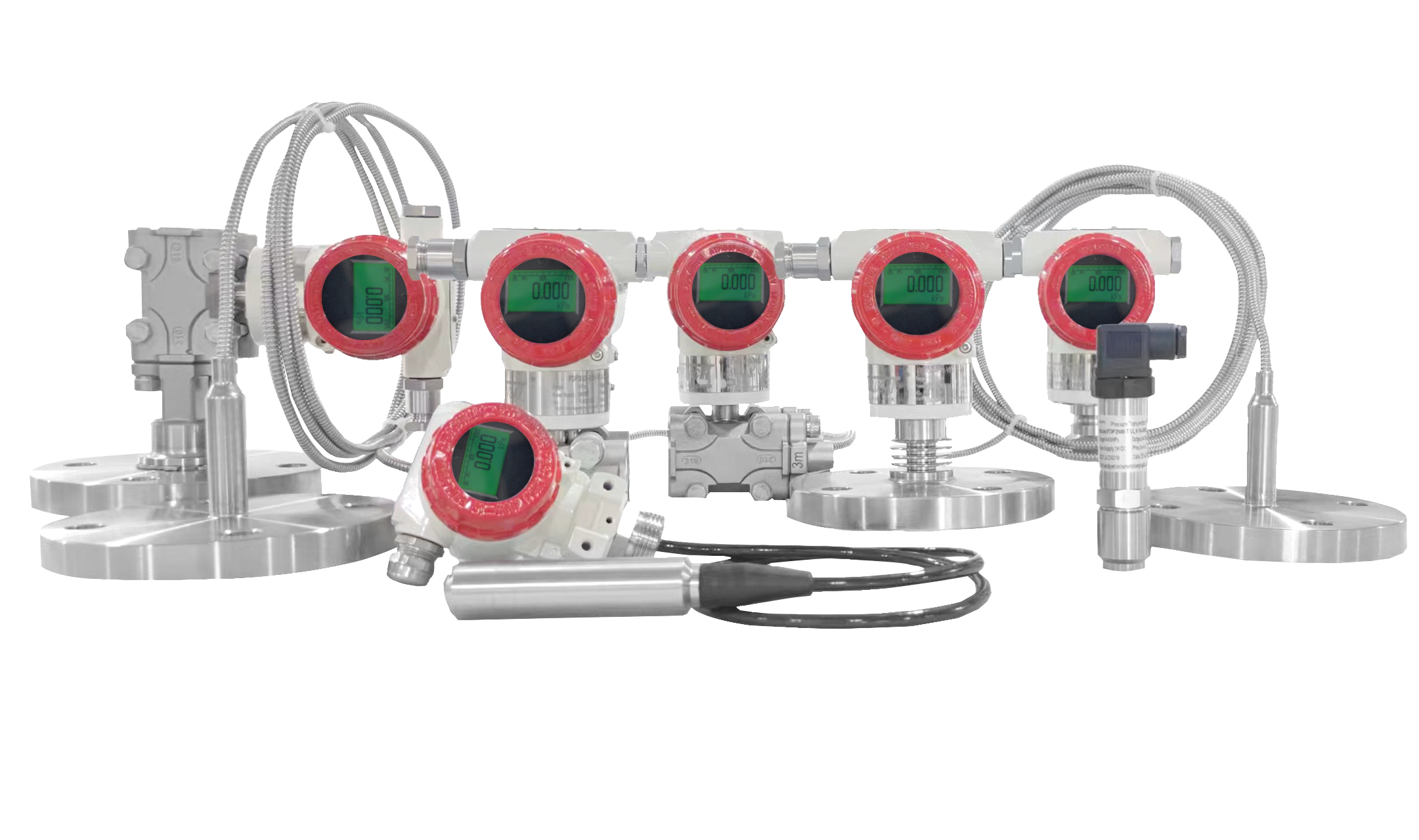
Selecting the correct mounting style is essential for ease of installation, hygiene compliance, and long-term mechanical reliability. Different industrial landscapes require specific structural architectures.
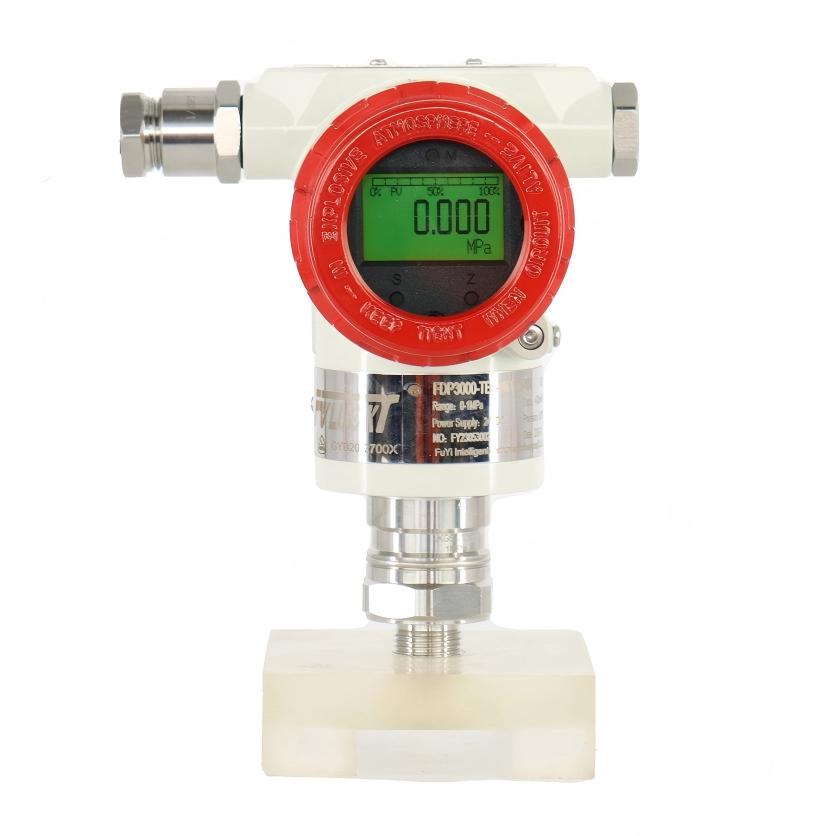
These are designed for quick and easy installation into existing pipelines or equipment interfaces. By utilizing standard thread sizes, they offer a low-profile, robust solution for general industrial monitoring where space is limited and pressure levels are steady. They are the go-to for smaller utility lines and pump monitoring.
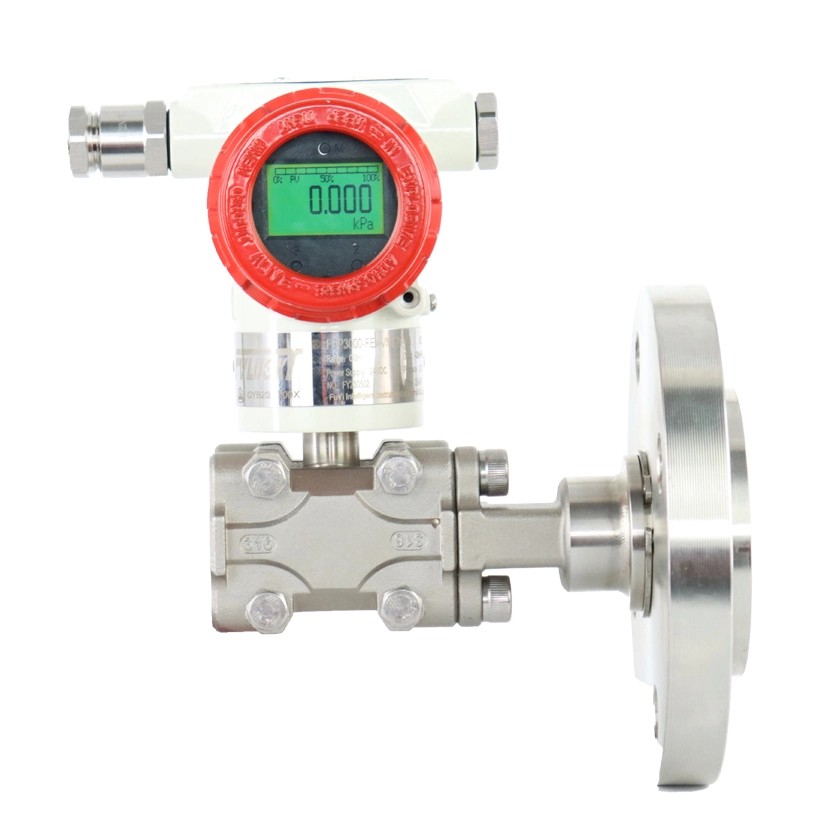
Flanged designs provide the highest level of mechanical stability. Single-flange models are typically used for static pressure or level measurements on large vessels, while double-flange models—often equipped with remote seal capillaries—are essential for complex differential pressure measurement in hazardous, corrosive, or high-temperature environments.
These are specifically engineered for tank or silo liquid level applications. By inserting the sensor directly into the media, they bypass the need for external bypass piping, offering a simplified and highly accurate solution for inventory management and level control in bulk storage.
Modular smart transmitters offer the ultimate flexibility for large-scale operations. These units allow users to swap out specific components, flanges, or diaphragms depending on the changing needs of the production line. This modularity significantly lowers the total cost of ownership over the instrument's lifecycle by allowing for easy repairs rather than total unit replacement.
The table below outlines how different structural designs serve distinct operational goals in industrial settings.
| Design Type | Primary Advantage | Best Suited For |
|---|---|---|
| Threaded | Compact & Fast Install | General pressure monitoring |
| Single Flange | Structural Stability | High-pressure pipes & basic level |
| Double Flange | Remote/Differential Precision | Complex tank & reactor levels |
| Insertion | Direct Media Contact | Liquid level in bulk storage tanks |
| Modular | System Flexibility | R&D, pilot plants, diverse lines |
Selecting from the wide array of available smart pressure transmitters requires a systematic approach. Before finalizing your specification, consider these pillars:
If the process fluid is corrosive, acidic, or prone to crystallization, you must ensure the wetted parts—specifically the diaphragm—are made from compatible materials like 316L stainless steel, Hastelloy, or Tantalum. Ignoring chemical compatibility is the most common cause of premature sensor failure.
While smart devices offer automatic compensation, you must still ensure that your operational range sits comfortably within the transmitter's "turndown ratio." Pushing a sensor to its absolute limit for 24/7 operation can reduce its lifespan and impact measurement drift. Always provide your vendor with the actual operating range, not just the maximum pipe rating.
Modern plants are increasingly interconnected. Verify that the transmitter supports the communication protocol used by your existing control infrastructure (HART is standard, but Profibus or Foundation Fieldbus may be required in some high-speed automation systems). Choosing the right protocol ensures your data reaches your management software without bottlenecks.
For critical process loops, accuracy is paramount. Look for specifications regarding "Total Probable Error" rather than just reference accuracy, as this includes the effects of temperature and pressure changes. This provides a more realistic view of how the device will perform in the field under actual conditions.
The evolution of smart pressure sensors has transformed industrial process control, moving us toward more predictive and efficient operations. By choosing a transmitter with the correct structural design—whether it be a robust flanged model for heavy industry or a compact threaded unit for local monitoring—you can ensure your system remains accurate, reliable, and easy to maintain.
At FVLUOKY, we are dedicated to providing high-performance instrumentation designed for the most demanding environments. We combine professional engineering with top-tier sensing technology to help our customers achieve measurable success. We invite you to explore our product range to find the precise solution for your application. If you have specific technical questions, our engineering team is always ready to assist with a personalized consultation. Contact us to start optimizing your process today.
1. What is the main benefit of using a smart transmitter over a standard analog gauge?
Smart transmitters provide digital communication, remote configuration, advanced self-diagnostics, and higher accuracy through automated temperature and pressure compensation, allowing for better process integration.
2. Can smart pressure transmitters be used for level measurement?
Yes. By measuring the hydrostatic pressure at the bottom of a tank, these transmitters can accurately calculate the liquid level, provided the density of the fluid is known and programmed into the device.
3. What is a "turndown ratio" in smart pressure sensors?
The turndown ratio represents the transmitter's ability to maintain a specified accuracy across a range of pressures. A higher turndown ratio means the same device can be used in a wider variety of pressure applications without losing precision.
4. Why is a double-flange design used for differential pressure?
The double-flange system uses two remote seals to isolate the transmitter from the process media, which is essential for protecting the sensor when measuring differential pressure in hazardous or extreme temperature conditions.
5. How do I determine if I need a special diaphragm material?
You should review your process fluid's chemical composition and temperature. If the fluid is corrosive or potentially abrasive, you must consult a material compatibility chart to select an appropriate diaphragm material like Tantalum or Hastelloy to prevent sensor degradation.