Call Me
+86-19280460621

Email
Dora.chen@fvluoky.com
In the complex landscape of modern industrial manufacturing, temperature is often the most critical variable. Whether in chemical synthesis, food processing, or energy production, the thermal state of a process dictates everything from reaction yields to the structural integrity of hardware. At the center of this thermal monitoring is the temperature transmitter—the device responsible for converting raw sensor signals into actionable data.
However, a transmitter is only as valuable as the accuracy it provides. Temperature transmitter accuracy is not merely a technical specification found in a manual; it is a fundamental pillar of process safety, product quality, and regulatory compliance. For industrial leaders and facility managers, understanding the impact of measurement precision is essential to avoiding costly downtime and ensuring a safe working environment.
In automated systems, controllers (DCS or PLC) rely entirely on the data provided by field instruments. If a transmitter reports a temperature that is off by even a few degrees, the control system will make adjustments based on false premises. In a precision-driven environment, this "measurement drift" can cascade into significant operational failures.
High-accuracy transmitters act as the first line of defense. By minimizing the discrepancy between the "actual" process temperature and the "reported" temperature, these devices allow control loops to operate at their theoretical limits. This maximizes efficiency, reduces energy waste, and ensures that the final product consistently meets quality specifications.
In industries such as pharmaceutical manufacturing or high-grade metallurgy, temperature windows are often narrow. A deviation of just 1% can result in an entire batch of product being scrapped.
Consider the role of reliable temperature transmitters manufacturers in supporting quality control:
Consistency: High-precision instruments ensure that every batch is produced under identical conditions, maintaining brand reputation and customer trust.
Reduced Waste: By accurately reporting temperatures, manufacturers can avoid "over-cooking" or "under-processing" materials, directly impacting the bottom line.
Traceability: Modern smart transmitters provide digital data logs. When paired with high accuracy, these logs serve as ironclad evidence of quality compliance during audits.
When measurement uncertainty is high, companies often compensate by building in overly large safety margins, which ironically leads to reduced throughput and higher operational costs. Investing in accurate instrumentation allows you to tighten these margins safely.
Beyond quality, accuracy is a non-negotiable requirement for process safety. In chemical reactors, steam turbines, or high-pressure boilers, temperature spikes can precede catastrophic failure.
An accurate transmitter provides:
Faster Response to Anomalies: When a transmitter is precise, it can detect the onset of a thermal runaway event much sooner than a drift-prone, low-cost alternative.
Reliable Emergency Shutdown (ESD) Triggers: Safety Instrumented Systems (SIS) depend on accurate input to decide when to shut down a process. If the temperature transmitter reports falsely low values during a critical heating phase, the safety system may fail to trip, leading to vessel rupture or fire.
Predictive Maintenance: Precision instruments allow for the analysis of subtle trends over time. If a sensor begins to show a slight deviation from its baseline, it can be flagged for maintenance before a breakdown occurs.
To truly grasp how accuracy is achieved, one must look at the technical architecture of the instrument. Several variables contribute to the total error budget:
| Factor | Description | Impact on Accuracy |
|---|---|---|
| Sensor Matching | Calibrating the transmitter to the specific RTD/Thermocouple curve. | Dramatically reduces lead-wire and sensor error. |
| Ambient Temperature Effect | The degree to which the electronics drift as the local environment changes. | Critical for outdoor/harsh environment installations. |
| Linearization | The process of correcting the non-linear response of sensors. | Ensures 4-20mA output represents true degrees Celsius/Fahrenheit. |
| Long-term Stability | How much the signal drifts over 12–24 months of operation. | Determines the required frequency of re-calibration. |
At FVLUOKY, our engineering philosophy centers on minimizing these error factors. By using advanced compensation algorithms and stable, high-grade components, we help plant operators maintain tight control over their thermal environments.
Not all instruments are created equal. When sourcing equipment, it is vital to evaluate temperature transmitters manufacturers based on more than just the initial price tag. Look for a partner that provides:
Comprehensive Calibration Certificates: A manufacturer that provides traceable calibration data demonstrates confidence in their product’s accuracy.
Robust Design: Precision electronics must be housed in casings that protect against moisture, vibration, and EMI/RFI interference.
Support for Smart Protocols: Modern transmitters should support HART or other digital protocols, which allow for the transmission of diagnostic data alongside the primary temperature measurement.
Customization Capabilities: Every process is different. The ability to tailor a solution to your specific RTD or Thermocouple input is a hallmark of a professional manufacturer.
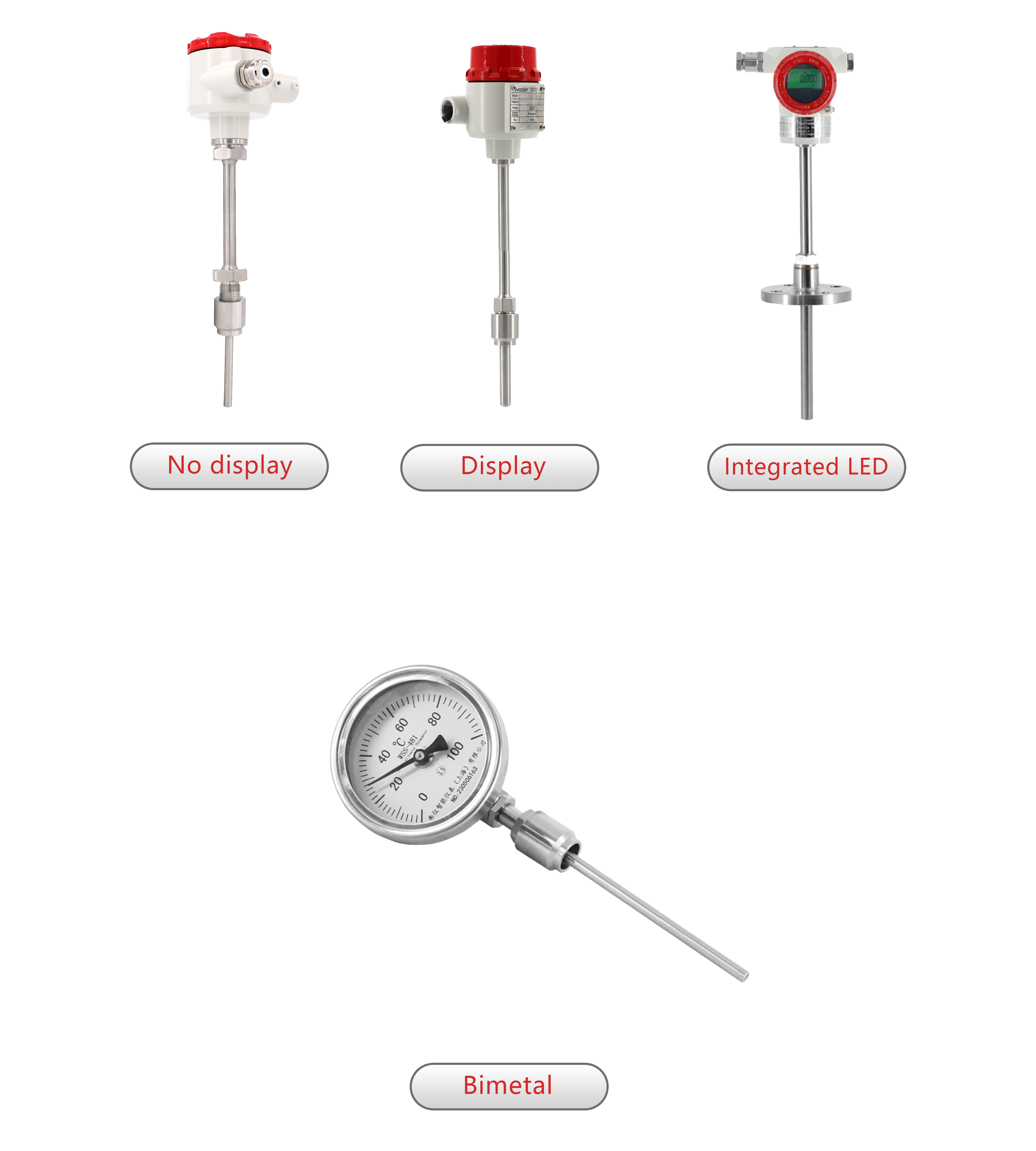
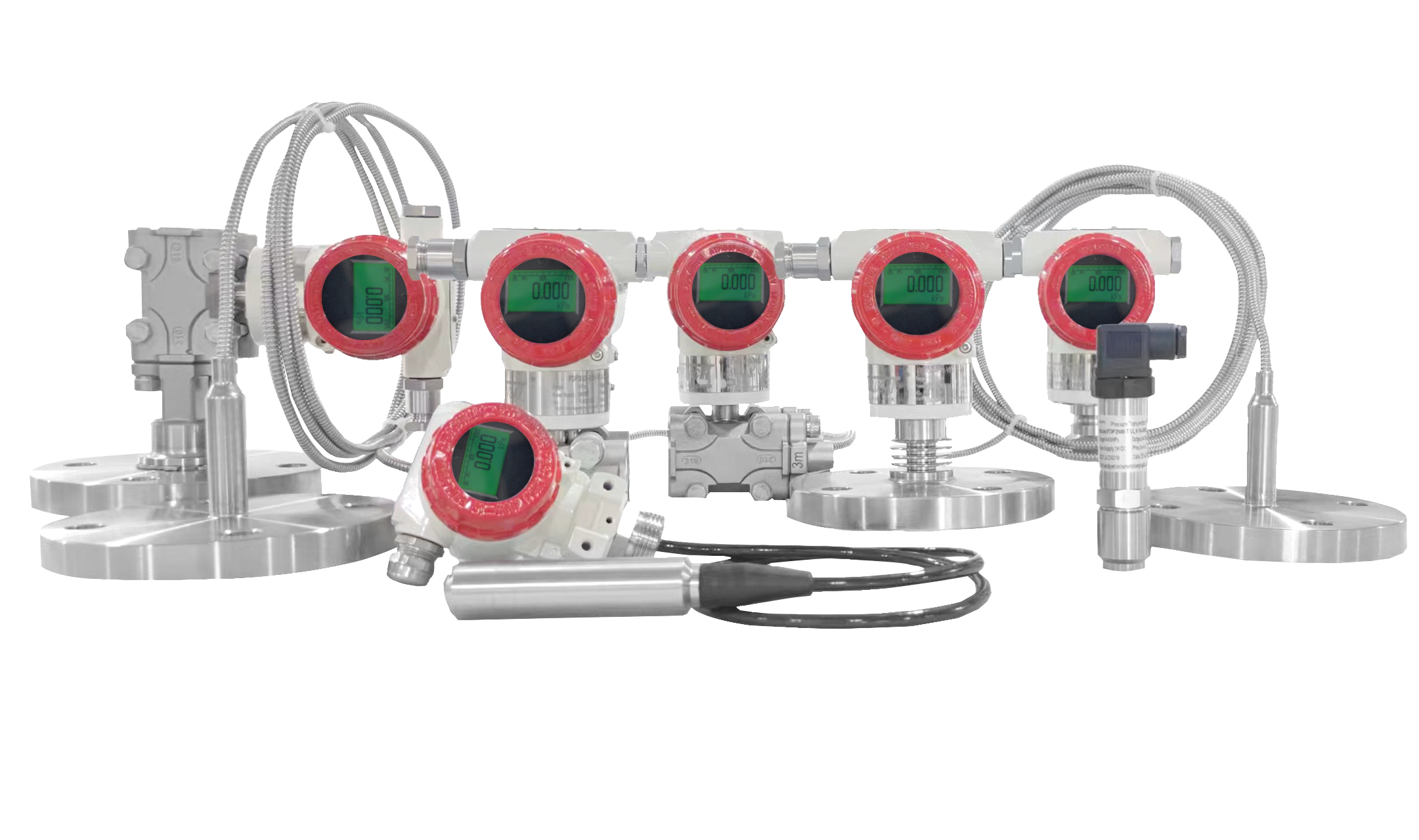
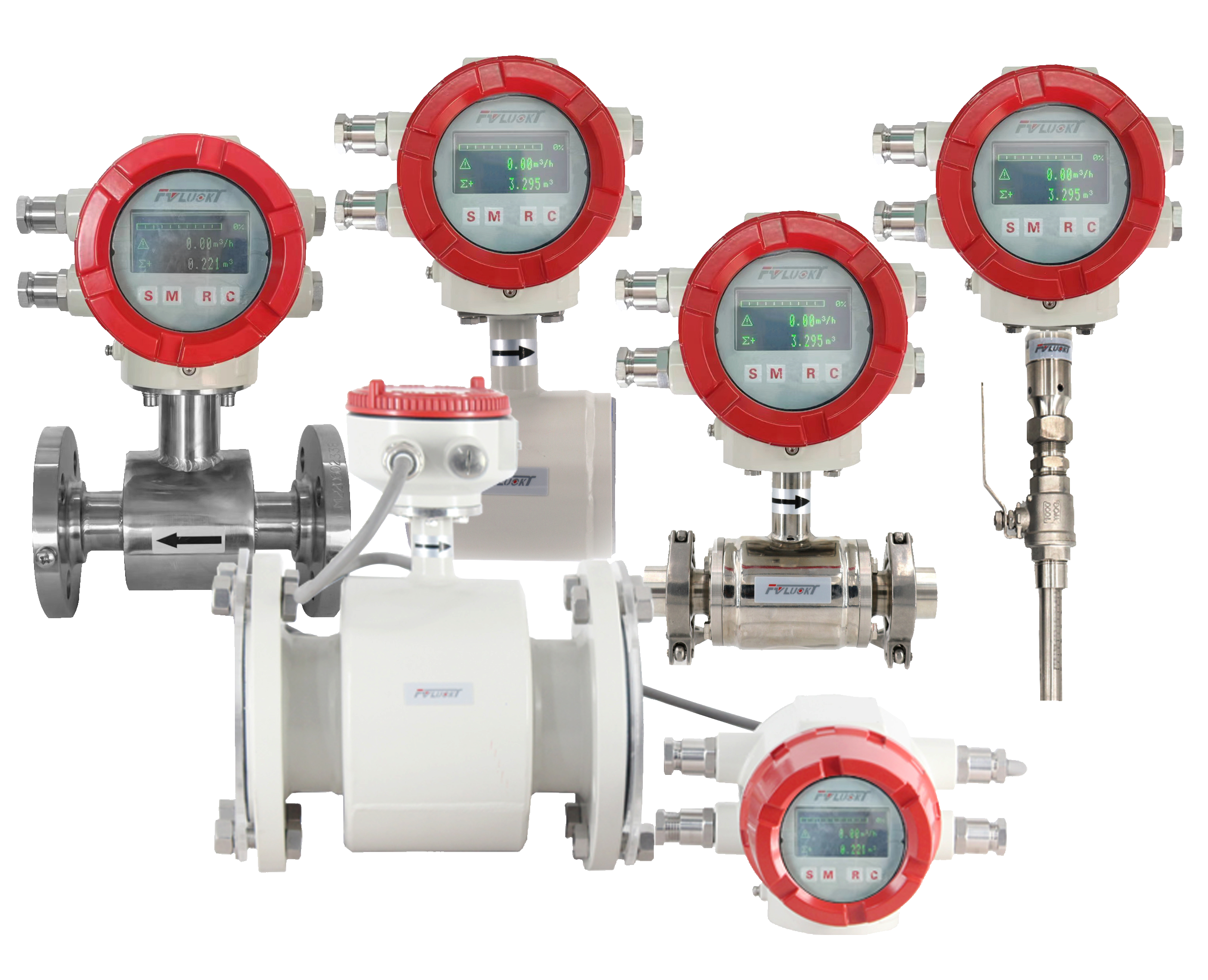
We encourage you to explore our product range to see the various configurations we offer for modern industrial challenges. Our instruments are designed to be the reliable eyes and ears of your process control system.
In the demanding world of industrial production, the cost of inaccuracy is far higher than the cost of high-quality instrumentation. Temperature transmitter accuracy is the bedrock upon which safe, efficient, and profitable operations are built. By prioritizing precision, you are not just buying a sensor—you are investing in the stability of your production line, the safety of your personnel, and the quality of your output.
As a dedicated partner in your industrial journey, FVLUOKY remains committed to the principle of "living up to expectations and moving forward with core technology." We understand that your process requires perfection, and we provide the professional-grade transmitters to help you achieve it. If you need assistance selecting the right equipment for your facility, contact our team today for a detailed technical consultation.
1. How often should temperature transmitters be calibrated to maintain accuracy?
The calibration interval depends on the criticality of the process and the environmental conditions. Generally, for high-accuracy loops, annual calibration is recommended, though smart transmitters with drift-tracking diagnostics may allow for extended intervals.
2. What is the difference between sensor accuracy and transmitter accuracy?
Sensor accuracy refers to the ability of the RTD or thermocouple to reflect the true temperature of the media. Transmitter accuracy refers to the error introduced by the electronic circuitry that converts the sensor's signal into a standard output. Both contribute to the total system error.
3. Does ambient temperature affect the accuracy of the transmitter?
Yes. High-quality transmitters are designed to compensate for changes in ambient temperature. However, extreme fluctuations can still cause minor measurement drifts, which is why choosing a transmitter with a high thermal stability specification is vital.
4. Can HART protocol help improve accuracy?
While the HART protocol itself is for communication, it allows for digital communication between the transmitter and the control system. This eliminates the errors typically associated with A/D and D/A signal conversion in traditional analog systems, resulting in a more accurate data path.
5. How does a transmitter handle the non-linearity of thermocouples?
Modern temperature transmitters use microprocessor-based look-up tables and polynomial correction algorithms to convert the non-linear voltage output of a thermocouple into a perfectly linear 4-20 mA or digital signal that corresponds exactly to the temperature measured.
NEXT