Call Me
+86-19280460621
Email
Dora.chen@fvluoky.com
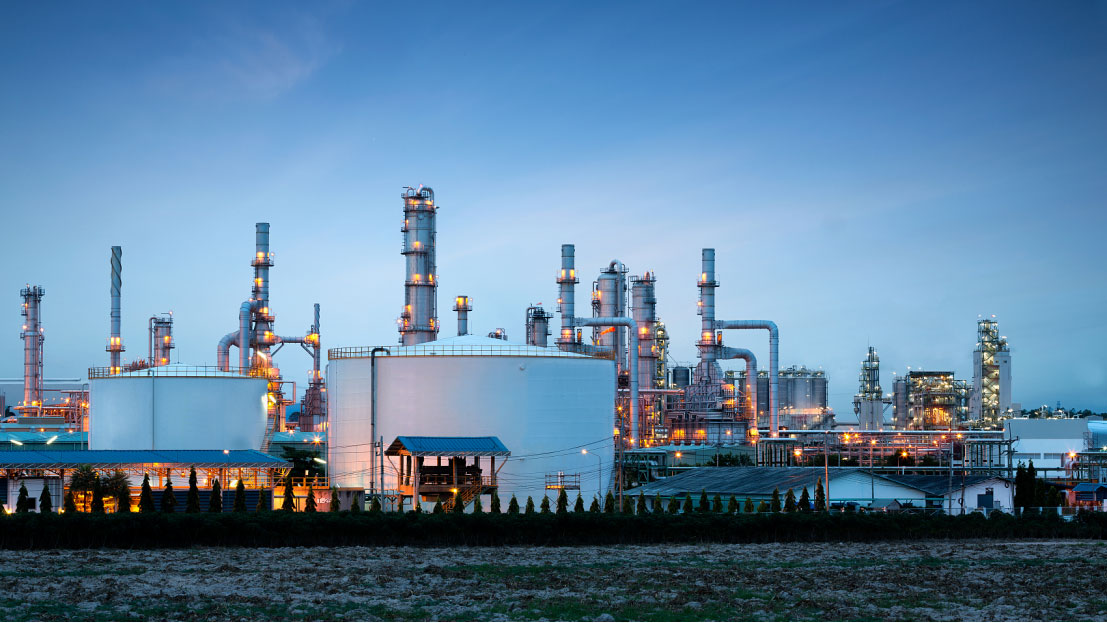
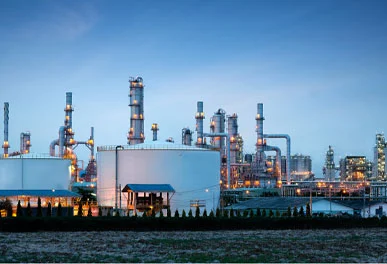
"In the petrochemical industry, FVLUOKY's line of petrochemical measuring instruments, including our high-performance pressure transmitters, flow meters, and level gauges, has helped customers like Jiaxing Petrochemical Co., Ltd., Shaoxing Huabin Petrochemical Co., Ltd., and China Petrochemical Corporation solve problems in public engineering, batching systems, and environmental projects."
The petroleum chemical industry, encompassing the processing of crude oil and natural gas into chemical products, is a complex and critical sector that demands precise monitoring and control—where petrochemical measuring instruments play an irreplaceable role. Field instruments and industrial measuring devices are indispensable in ensuring efficiency, safety, and compliance with environmental standards. Here is FVLUOKY's overview of the essential petrochemical measuring instruments used in the industry—covering key types of field instruments—used in the industry, organized under five subheadings:
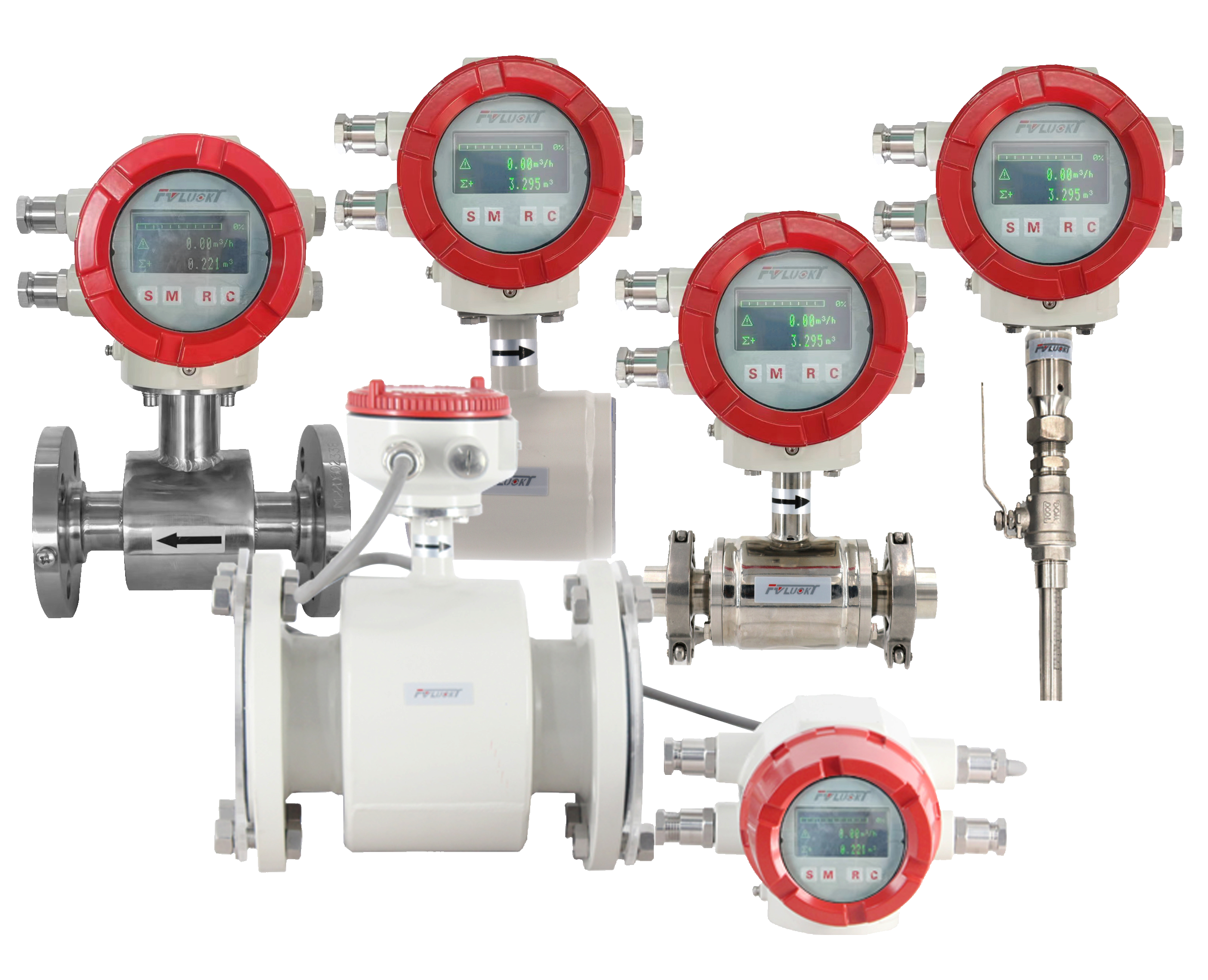
Flow Meters: Devices such as Coriolis, ultrasonic, and differential pressure flow meters are crucial for accurately measuring the flow rates of crude oil, natural gas, and chemical products. These meters ensure optimal process control, efficient resource allocation, and accurate billing.
Control Valves: These are used in conjunction with flow meters to regulate the flow of materials through pipelines and processing units, ensuring that process conditions are maintained within desired parameters.
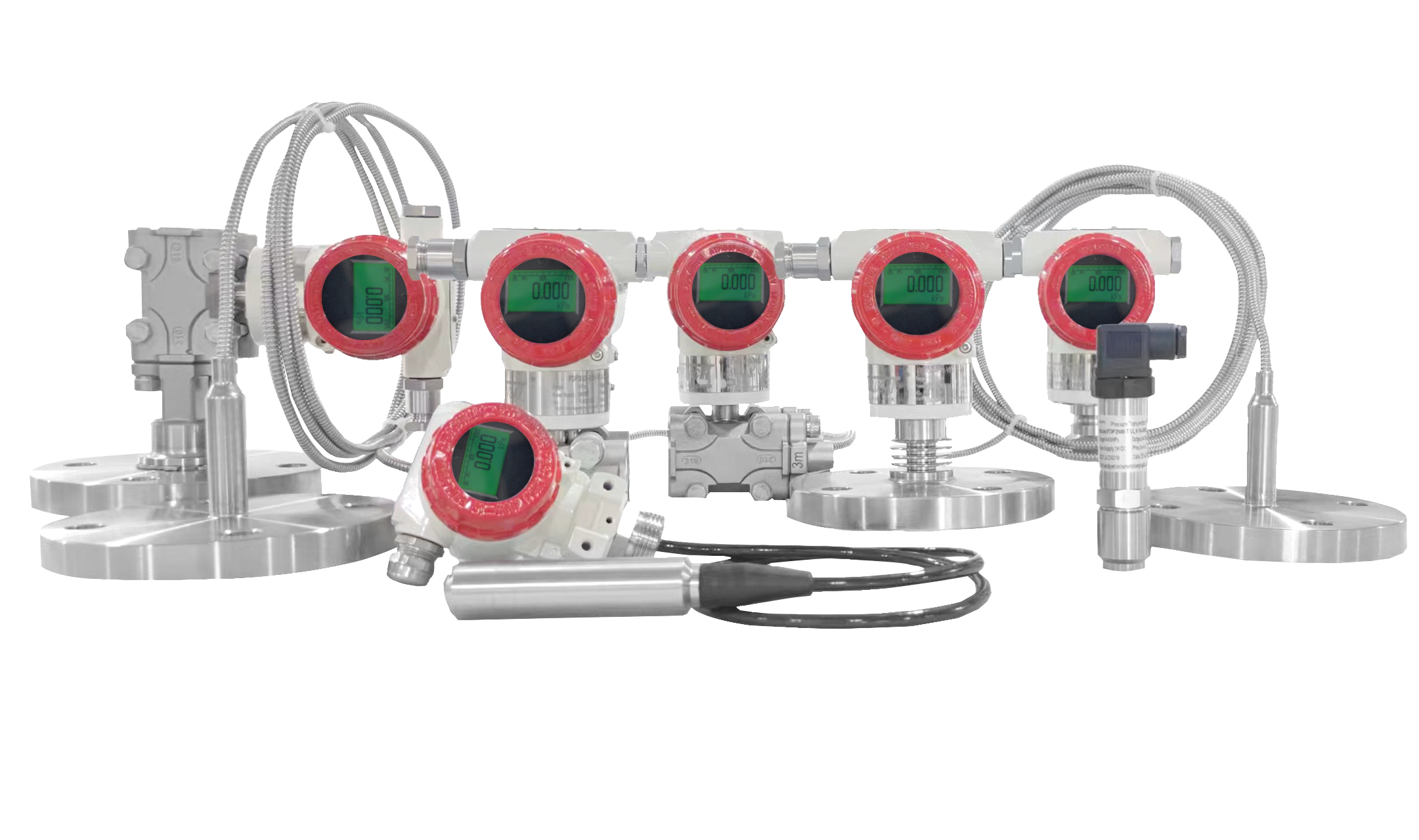
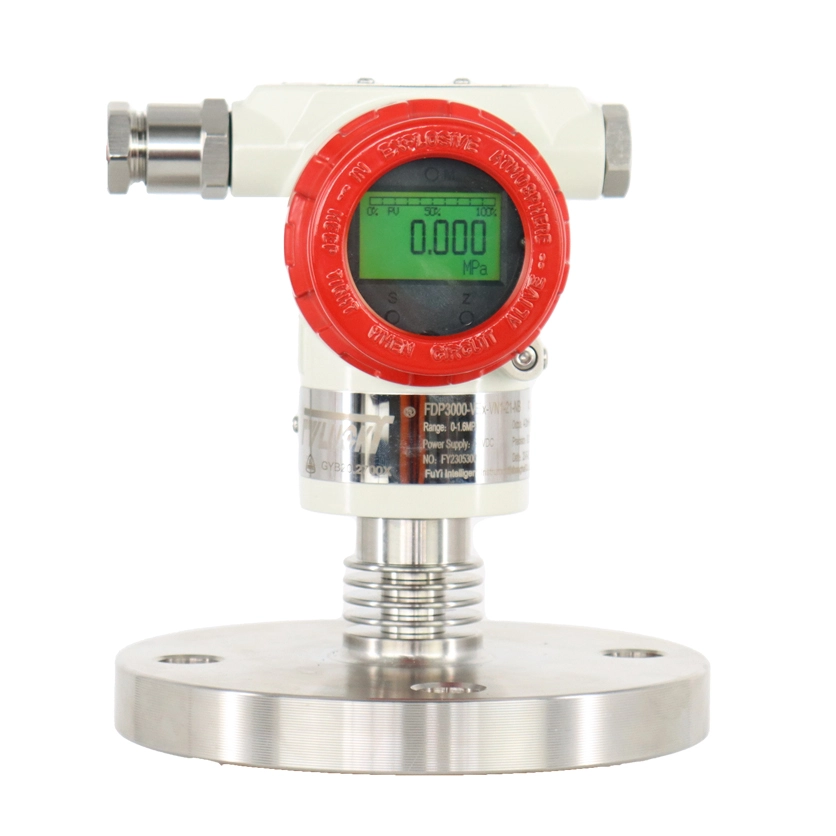
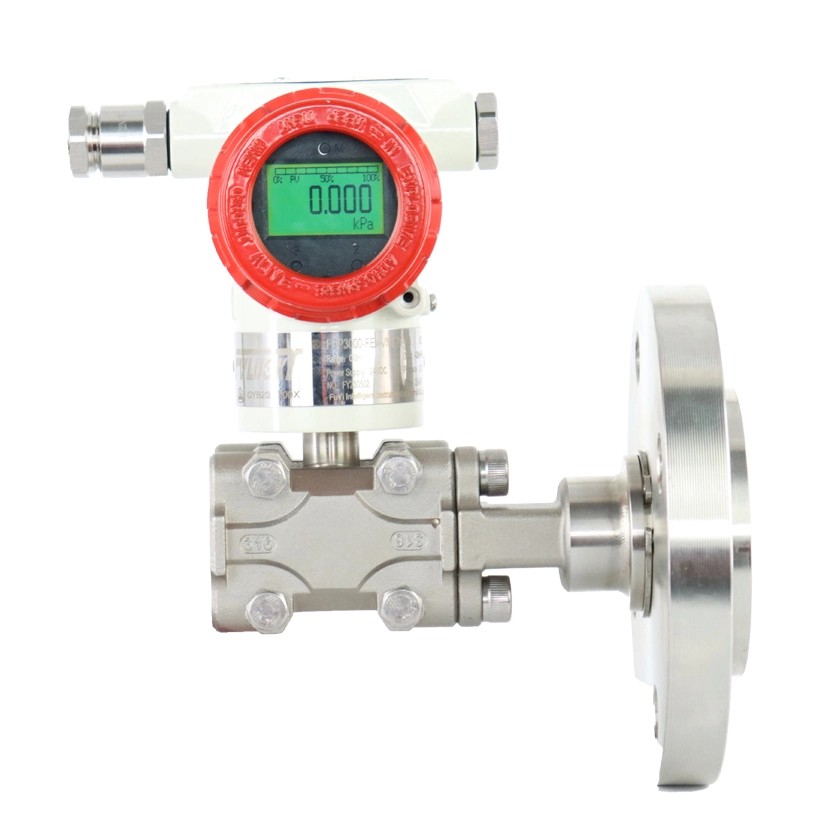
Pressure Transmitters: Monitoring the pressure in pipelines, reactors, and storage tanks is essential for preventing leaks and ensuring the safety of high-pressure processes. Pressure transmitters provide real-time data for process control systems.
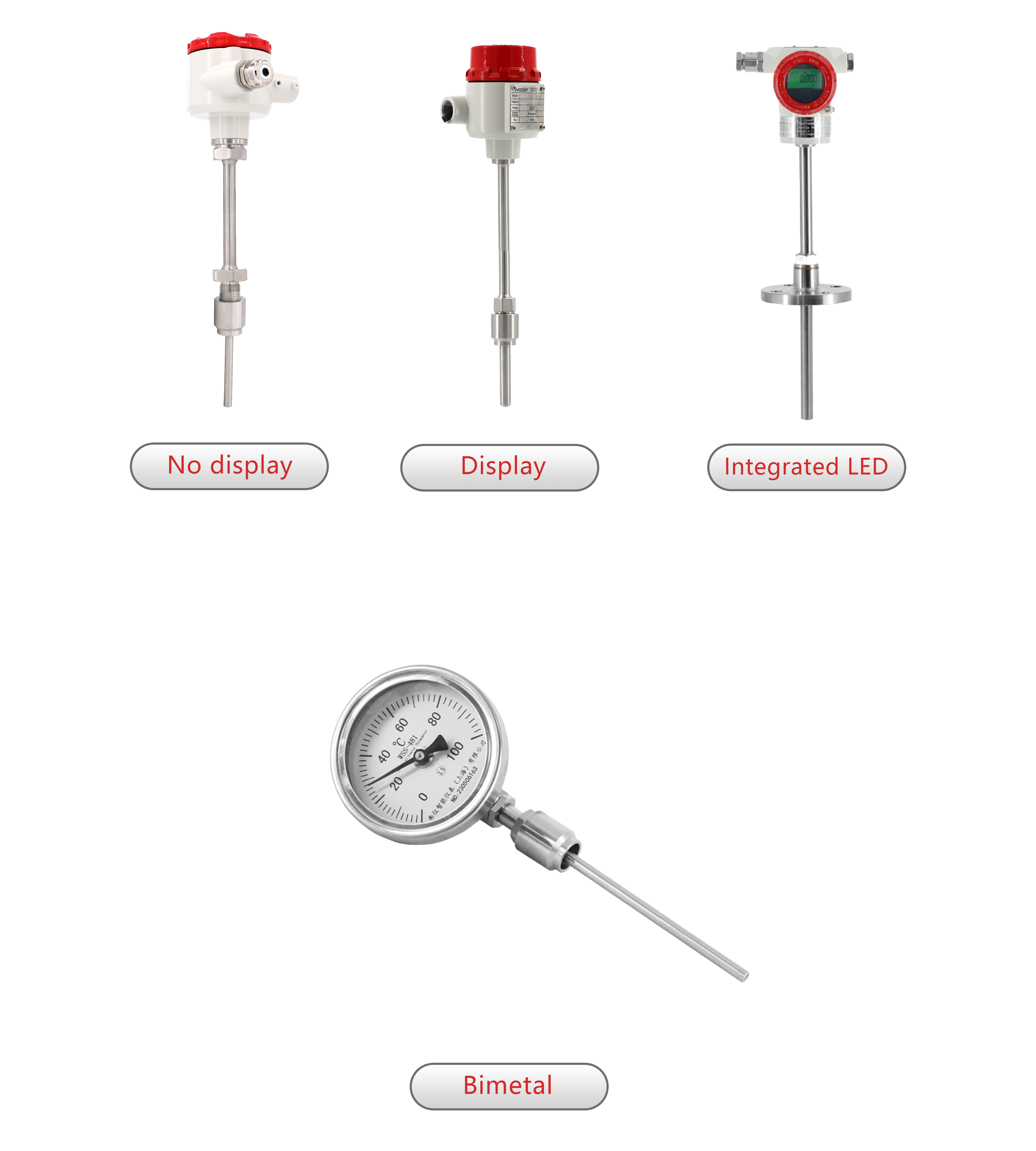
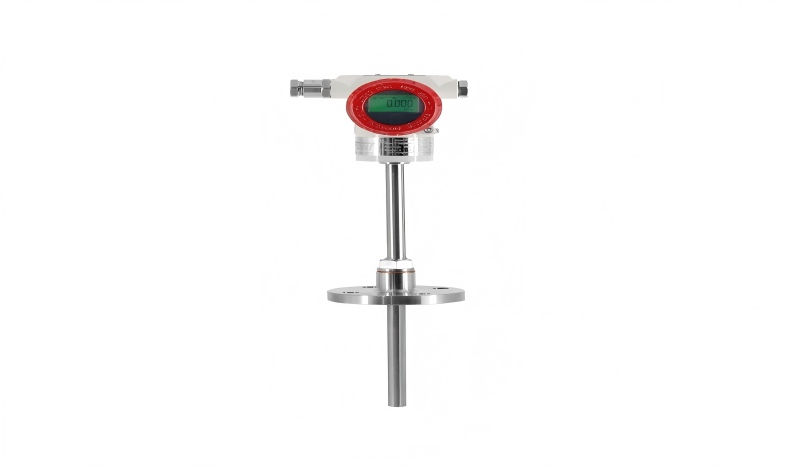
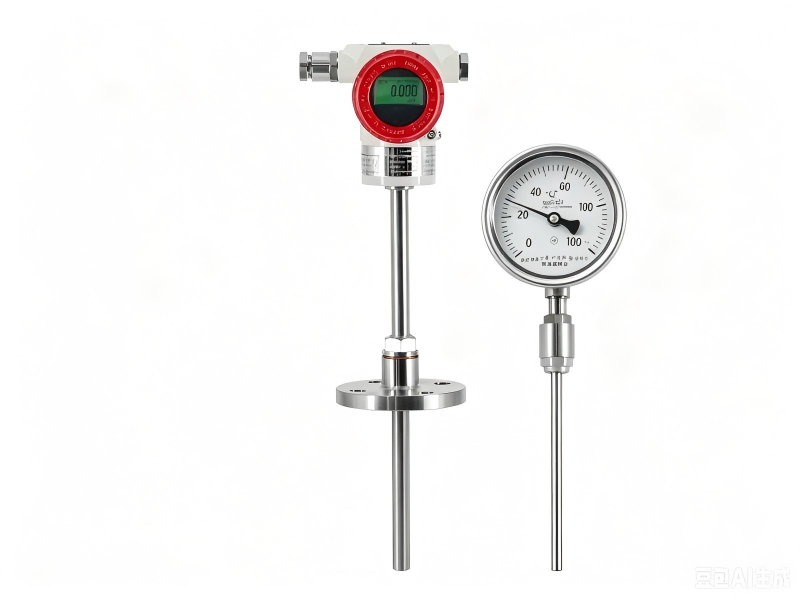
Temperature Sensors: Industrial thermocouples and RTDs (Resistance Temperature Detectors) are used to monitor the temperature of processes and materials. Accurate temperature control is vital for chemical reactions, distillation processes, and preventing overheating in equipment.
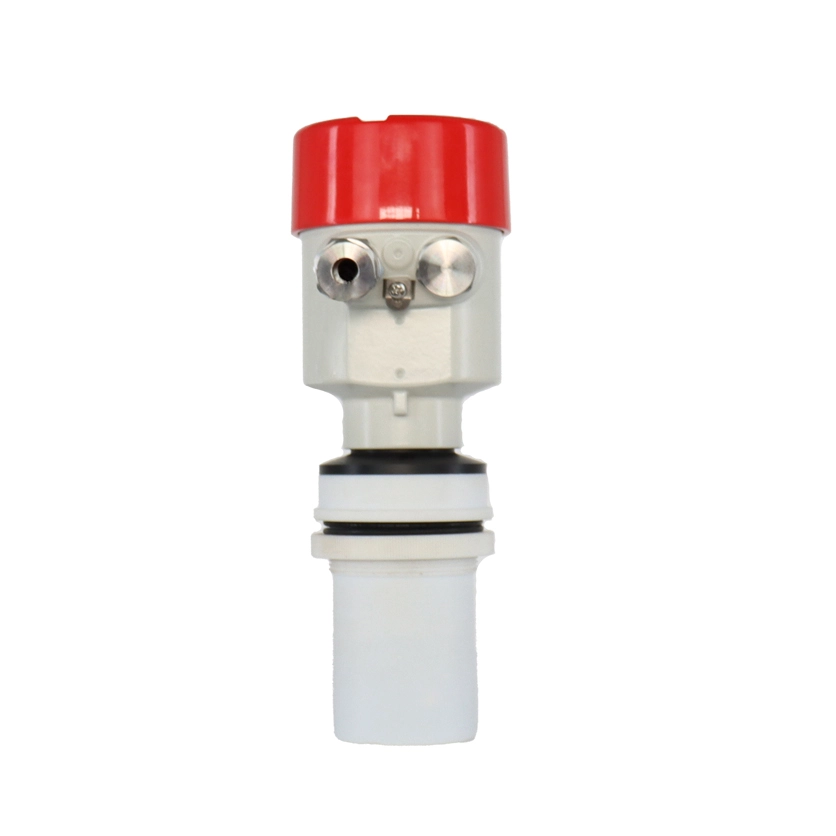
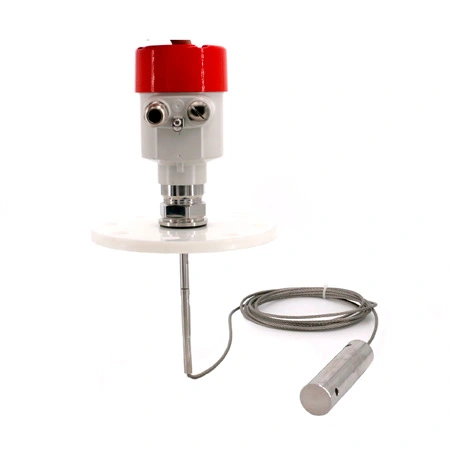
Level Sensors: Technologies such as radar, ultrasonic, and float-based sensors are employed to monitor the level of liquids and solids in tanks and silos. Proper level monitoring is crucial for preventing spills, ensuring adequate feedstock supply, and managing inventory.
Gas Detectors: In an industry where flammable gases are common, gas detectors are essential for detecting leaks and preventing explosions. These devices monitor for hazardous gases like hydrogen sulfide (H2S), methane (CH4), and volatile organic compounds (VOCs).
Gas Chromatography (GC): GC is used for separating and analyzing compounds that can be vaporized without decomposition. It’s essential for quality control, ensuring product specifications are met, and for monitoring process streams.
Spectrophotometers: These petrochemical measuring instruments measure the intensity of light, and are used for analyzing the concentration of chemical substances in process streams, ensuring the quality of the final products.
Emission Analyzers: Monitoring and controlling emissions of CO2, NOx, SOx, and particulate matter is critical for compliance with environmental regulations. Emission analyzers help in assessing the efficiency of control equipment and in minimizing environmental impact.
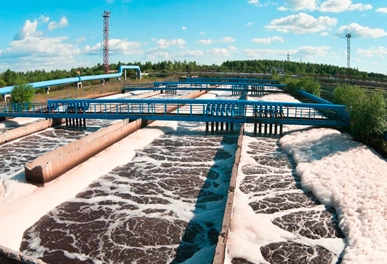
Water Quality Sensors: Wastewater treatment is a significant aspect of the petroleum chemical industry. Sensors for measuring pH, conductivity, dissolved oxygen, and other parameters are essential for ensuring that treated water meets environmental discharge standards.
The petroleum chemical industry relies heavily on a wide range of field instruments—core variants of petrochemical measuring instruments—for its operations. These petrochemical measuring instruments are critical for ensuring process efficiency, product quality, safety, and environmental compliance. As a leading provider, FVLUOKY is advancing this technology by integrating smart sensors and real-time data analytics, enhancing the capabilities of these petrochemical measuring instruments and optimizing various types of field instruments to drive improvements in process control and operational efficiency.