Call Me
+86-19280460621

Email
Dora.chen@fvluoky.com
Choosing the right temperature measurement system is critical for ensuring process efficiency, safety, and product quality. While both RTDs (Resistance Temperature Detectors) and thermocouples are industry standards, the decision to use an RTD with a transmitter versus a direct-wired thermocouple depends heavily on your specific application's demands for accuracy, distance, and environmental conditions.
This guide provides a clear comparison to help you decide which setup is right for your needs.
To make an informed choice, let's compare the two systems across the most important technical and commercial factors.
| Feature | RTD with Transmitter | Direct-Wired Thermocouple |
|---|---|---|
| Accuracy & Stability | Very High. Ideal for applications requiring precise and repeatable measurements. | Good. Suitable for general-purpose monitoring where high precision is not critical. |
| Signal Transmission | Excellent. The transmitter converts the weak resistance signal to a robust 4-20mA signal, immune to noise over long distances. | Poor to Fair. The low-voltage (mV) signal is highly susceptible to electrical noise, and the signal degrades over long cable runs. |
| Temperature Range | Moderate. Typically best for ranges between -200°C to 600°C (-328°F to 1112°F). | Very Wide. Can measure extreme temperatures, some types exceeding 2300°C (4200°F). |
| System Cost | Higher. The initial cost includes the sensor and the transmitter. | Lower. The sensor itself is very inexpensive. |
| Durability | Good. The sensor itself can be fragile, but industrial probes are well-protected. | Excellent. Extremely rugged and vibration-resistant construction. |
| Power Requirement | Requires power for the transmitter to generate the 4-20mA signal. | None. Self-powered; it generates its own voltage. |
This combination is the superior choice when your application demands the highest level of performance.
Use an RTD detector with a Transmitter when you need:
High Accuracy: For critical process control, laboratory work, or custody transfer applications where small temperature variations matter.
Excellent Stability and Repeatability: When you need consistent measurements over long periods without drift.
Long-Distance Signal Transmission: The 4-20mA signal from the transmitter can be sent hundreds or thousands of feet without degradation or interference from nearby motors and power lines.
Noise Immunity: In environments with significant electrical noise (EMI/RFI), the transmitter's robust output signal is essential for reliable readings.
This simple and economical setup shines in applications where ruggedness and a wide temperature range are more important than pinpoint accuracy.
Use Direct-Wired Thermocouples when you have:
Very High-Temperature Environments: For furnaces, kilns, exhaust systems, and molten metal applications where an RTD cannot survive.
Budget-Conscious Projects: When you need to monitor many points, and the initial cost is a primary concern.
Simple Monitoring Needs: For applications where you only need a general temperature indication rather than precise process control.
A Need for Extreme Robustness: In high-vibration or high-shock environments.
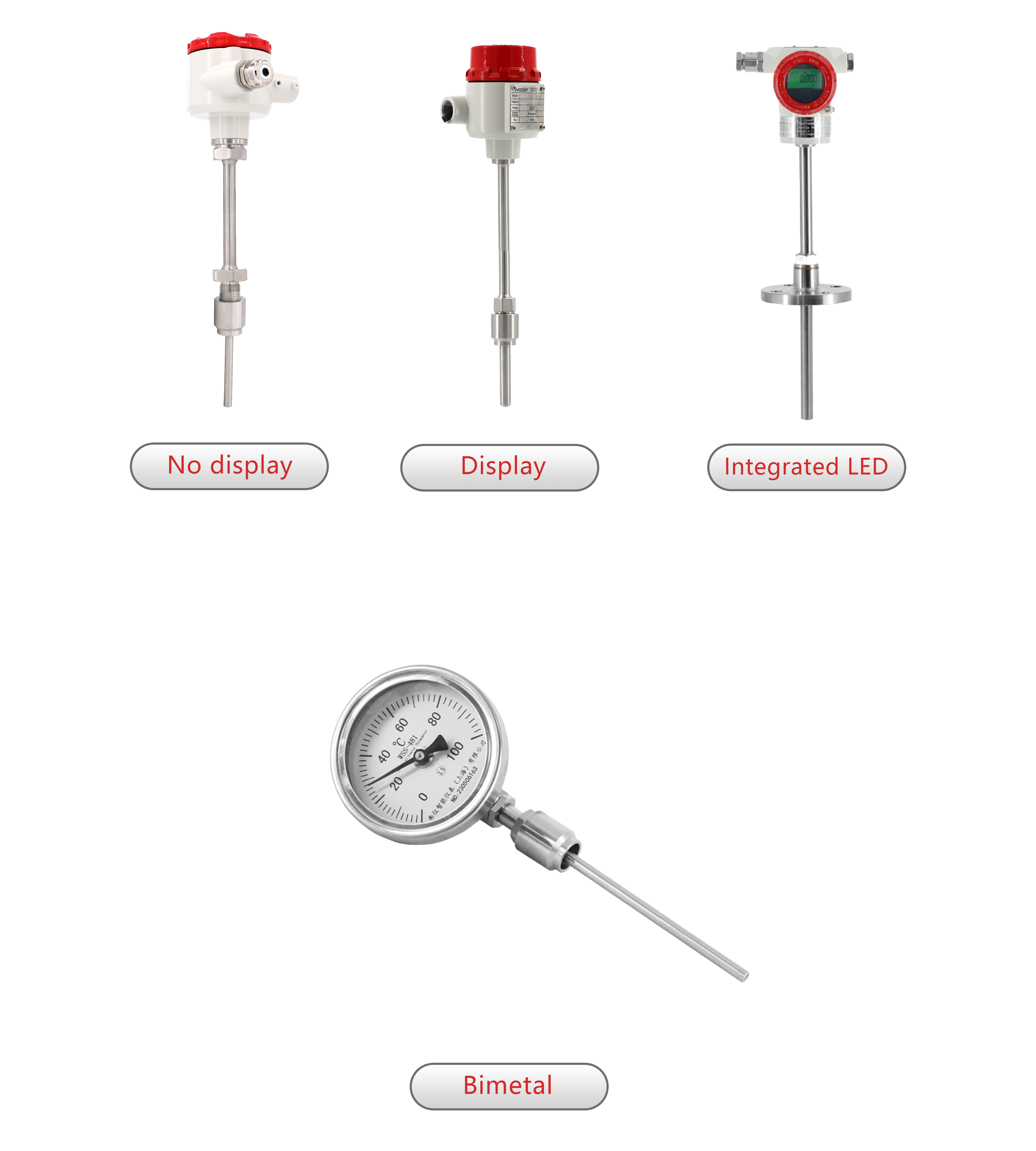
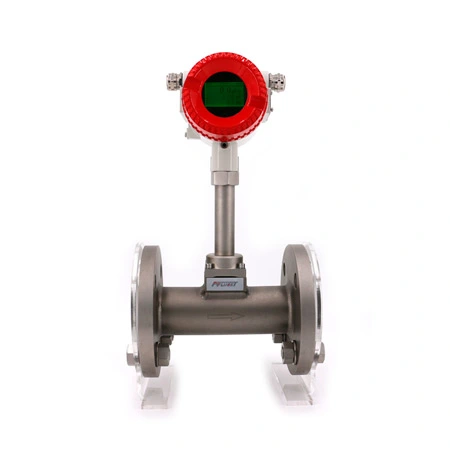
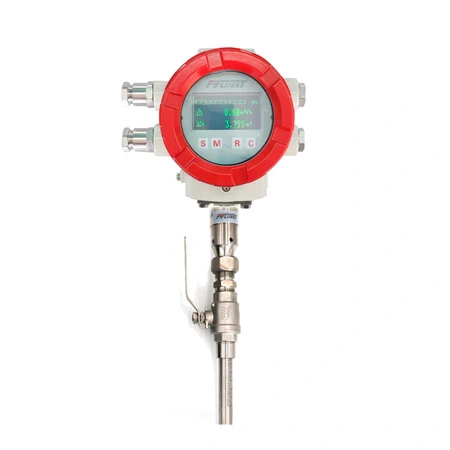
When your application points toward the RTD solution, the quality of the temperature transmitter is what unlocks its full potential. A high-performance transmitter is crucial for converting the sensor's precise measurement into a stable signal for your control system.
For instance, the RTD temperature transmitters from FVLUOKY Instrument are engineered to meet these demanding industrial needs. They utilize advanced circuitry to stabilize the temperature signals collected by the RTD sensor and convert them into standard current or voltage outputs. This ensures:
Fast Response
Strong Anti-Interference Ability
Excellent Long-Term Stability
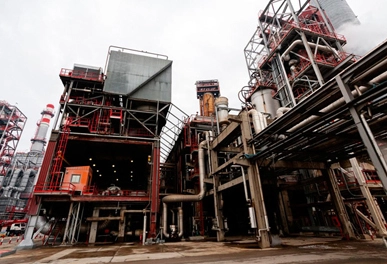
By achieving high-precision temperature transmission over long distances, such reliable transmitters are ideal for intelligent temperature management in critical industries like power, petrochemical, metallurgy, and pharmaceuticals.