Call Me
+86-19280460621

Email
Dora.chen@fvluoky.com
Temperature is one of the most closely monitored parameters in industrial operations because it directly affects process stability, equipment protection, and product consistency. From continuous manufacturing lines to complex processing systems, accurate temperature data enables operators to understand real-time conditions and make informed adjustments before problems occur.
However, industrial environments rarely provide ideal measurement conditions. Rapid temperature changes, extreme operating temperatures, mechanical stress, and external interference can make it difficult for conventional measurement methods to maintain reliable performance. To overcome these challenges, industries increasingly adopt advanced electronic temperature instruments and specialized industrial temperature measurement devices that deliver stable, accurate, and continuous monitoring.
FVLUOKY provides temperature measurement solutions designed for demanding industrial applications, helping users achieve better measurement reliability, improve process control, and support more efficient operations across different industrial environments.
Industrial temperature measurement involves much more than simply detecting temperature values. In real operating environments, measurement devices must maintain accuracy while dealing with unstable conditions, demanding processes, and long-term operation requirements.
One of the primary challenges is extreme temperature exposure. Many industrial processes involve high-temperature heating, cooling cycles, or environments with significant temperature fluctuations. Under these conditions, measurement devices must maintain stable performance without excessive drift or delayed response. A device that cannot adapt to these conditions may provide inaccurate readings, affecting process control and operational decisions.
Another challenge comes from environmental interference. Industrial facilities often contain vibration sources, electrical equipment, moisture, dust, and chemical substances. These factors can influence sensor performance and reduce data reliability if the measurement solution is not designed for the application environment.
Different industrial sectors also have different temperature monitoring requirements. Manufacturing equipment may require fast response to sudden temperature changes, while energy systems or process industries may prioritize long-term stability and continuous operation. Therefore, selecting suitable industrial temperature measurement devices requires careful consideration of operating conditions, measurement accuracy, response speed, and system compatibility.
Reliable temperature measurement is not only about obtaining temperature values. It is about collecting trustworthy data that helps businesses improve efficiency, prevent equipment issues, and maintain stable production processes.
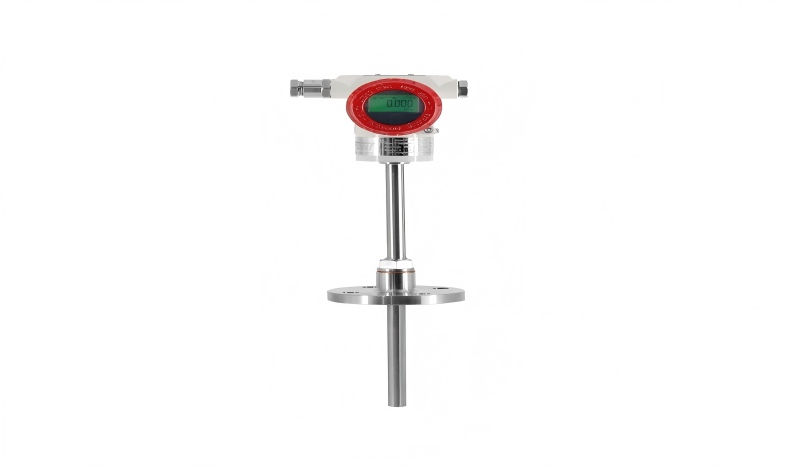
The performance of temperature measurement systems depends on multiple factors, including device design, installation conditions, environmental factors, and maintenance practices. Understanding these elements helps industries choose solutions that provide consistent and reliable results.
| Influencing Factor | Impact on Measurement Performance | Key Consideration |
|---|---|---|
| Operating Environment | High temperatures, vibration, humidity, and contamination may affect measurement stability | Select devices suitable for specific industrial conditions |
| Sensor Accuracy | Measurement deviations may influence process control and product quality | Choose instruments with appropriate accuracy levels |
| Response Time | Slow response may delay detection of temperature changes | Match device response characteristics with process requirements |
| Signal Transmission | Electrical interference may reduce data reliability | Consider stable signal processing and communication capabilities |
| Calibration and Maintenance | Long-term performance may decline without regular inspection | Follow proper calibration and maintenance procedures |
Installation conditions are particularly important for maintaining measurement accuracy. Even high-quality temperature devices may produce unreliable results if installed in unsuitable locations or exposed to unexpected environmental influences.
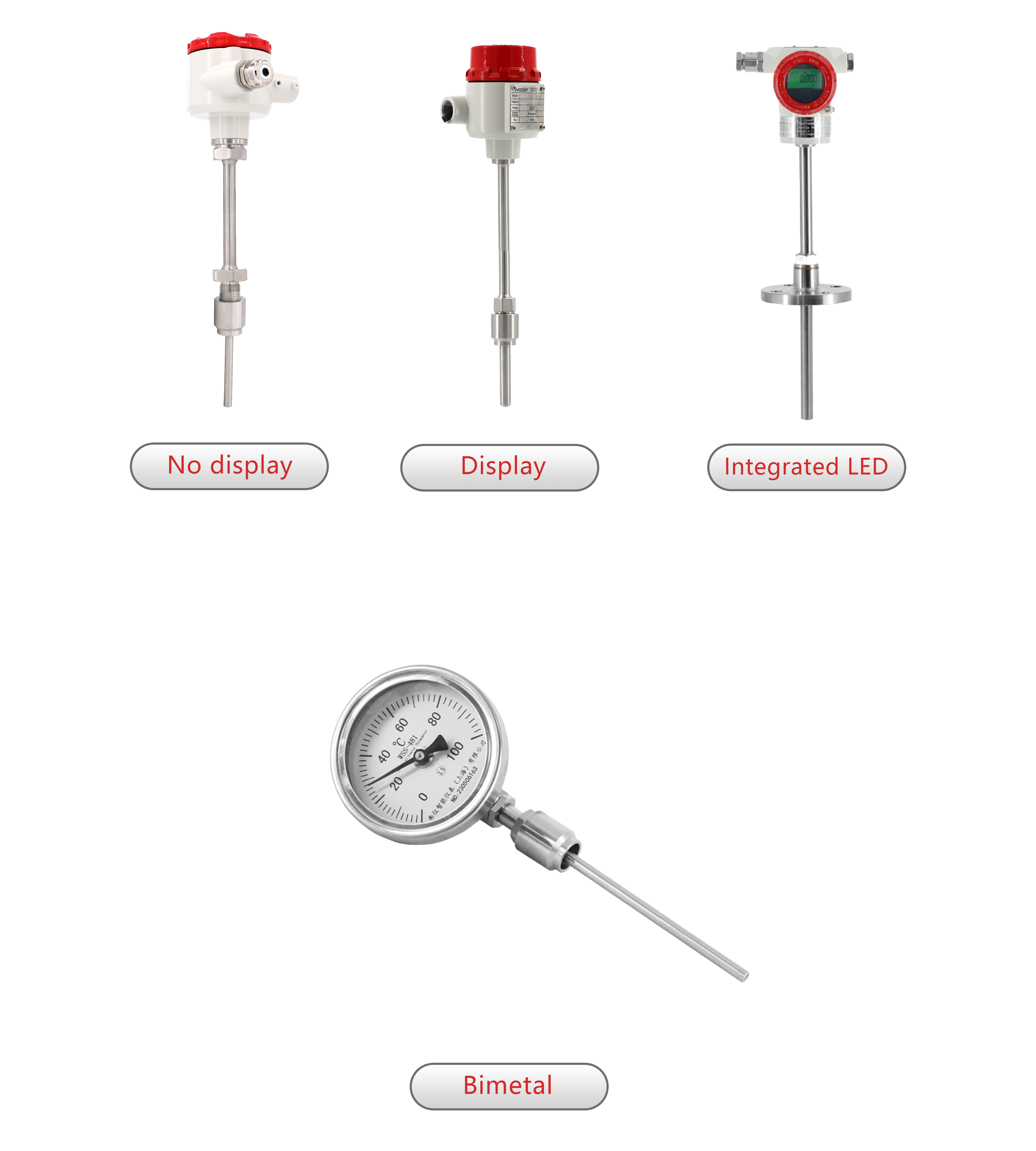
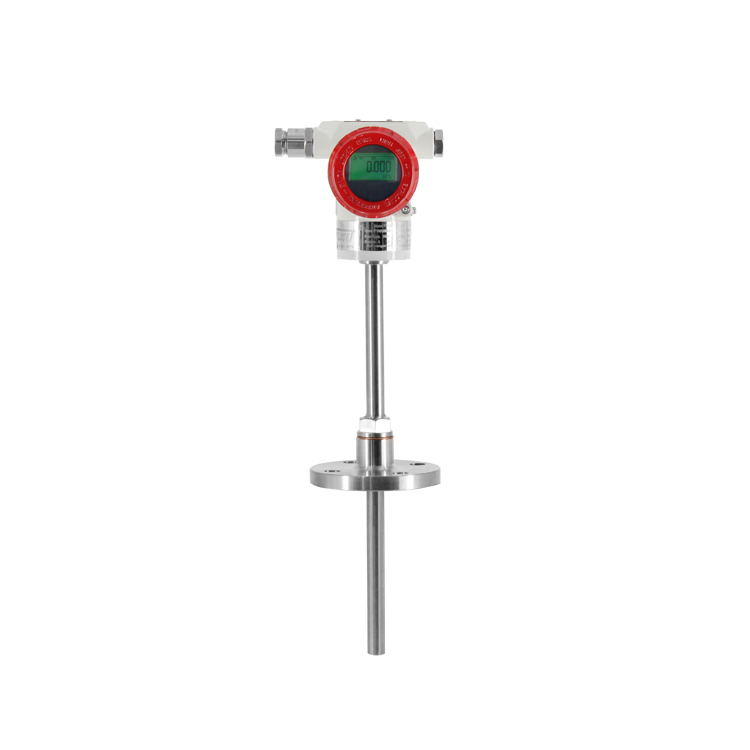
Modern electronic temperature instruments help overcome these limitations by combining advanced sensing technology with digital processing capabilities. Compared with traditional measurement approaches, electronic solutions can provide more stable data output, improved signal quality, and easier integration with industrial monitoring systems.
FVLUOKY focuses on developing practical temperature measurement solutions that meet the needs of industrial users requiring reliable performance in challenging environments.
As industrial automation continues to expand, temperature monitoring has evolved from simple measurement into a key part of intelligent process management. Industries now require measurement solutions that can deliver continuous data, maintain accuracy, and communicate effectively with automated systems.
Electronic temperature instruments play an important role in modern industrial monitoring because they provide improved measurement stability and more efficient data management. By using electronic sensing and digital processing technologies, these instruments can reduce signal fluctuations and provide more consistent temperature information.
Reliable electronic temperature monitoring helps industries identify process changes earlier. When temperature variations occur, operators can quickly evaluate potential issues and take corrective actions before they affect production efficiency or equipment performance.
In addition, electronic measurement technology supports better integration with industrial automation systems. Continuous temperature data can be used for monitoring, analysis, and process optimization, allowing companies to achieve more efficient and controlled operations.
FVLUOKY provides temperature measurement solutions designed to support various industrial applications. Users looking for suitable measurement technologies can explore FVLUOKY’s temperature measurement product solutions to better understand available options for different operating requirements.
By selecting reliable electronic temperature instruments, industrial users can improve monitoring accuracy, strengthen process management, and create a more dependable production environment.
Selecting the right industrial temperature measurement devices requires evaluating the complete application environment rather than focusing only on measurement range or accuracy. Each industrial process has unique requirements related to temperature conditions, installation methods, monitoring frequency, and system integration.
For example, high-temperature manufacturing processes require devices that can withstand demanding thermal conditions while maintaining stable readings. Automated production lines may require faster response and continuous data transmission, while precision applications may prioritize repeatability and measurement consistency.
| Application Scenario | Main Measurement Requirement | Recommended Device Characteristics |
|---|---|---|
| High-temperature processing | Stable operation under harsh thermal conditions | Durable design and reliable temperature sensing performance |
| Automated production systems | Continuous monitoring and rapid feedback | Electronic temperature instruments with stable digital output |
| Precision industrial applications | High accuracy and repeatability | Reliable calibration performance and consistent measurement |
| Remote monitoring environments | Data transmission and system compatibility | Integration with industrial monitoring platforms |
A properly selected temperature measurement solution can improve operational visibility and reduce the risk of incorrect decisions caused by unreliable data. Companies should consider not only current process conditions but also future monitoring requirements when selecting equipment.
With experience in industrial measurement applications, FVLUOKY supports users in identifying suitable solutions based on different operating environments. When a project requires further technical communication or application guidance, customers can connect with the FVLUOKY team through the FVLUOKY contact to discuss specific measurement requirements.
Accurate temperature monitoring provides a foundation for improving industrial efficiency. Reliable temperature information allows operators to maintain stable processes, optimize equipment performance, and respond quickly to abnormal operating conditions.
Temperature fluctuations often provide early indications of equipment stress, process instability, or inefficient operation. Through continuous monitoring, companies can identify these changes earlier and implement preventive measures before larger problems occur.
Industrial temperature measurement devices also contribute to energy optimization. Maintaining appropriate temperature conditions helps reduce unnecessary energy consumption caused by overheating, excessive cooling, or inefficient thermal management.
When integrated with modern automation systems, electronic temperature instruments enable more intelligent monitoring and analysis. Real-time temperature data provides valuable insights that support better decision-making, improved productivity, and more consistent operational performance.
As industrial processes become increasingly automated and data-driven, reliable temperature measurement will continue to play an essential role in achieving efficient and stable production.
Industrial temperature measurement faces many challenges, including harsh environments, changing operating conditions, and increasing requirements for accuracy and reliability. Choosing suitable measurement solutions is essential for maintaining dependable temperature data and supporting efficient industrial operations.
Advanced electronic temperature instruments and industrial temperature measurement devices provide industries with improved monitoring capabilities, helping users enhance process control, protect equipment, and optimize production efficiency.
With a focus on reliable industrial measurement applications, FVLUOKY continues to provide temperature monitoring solutions that help users overcome complex measurement challenges and achieve more stable, intelligent, and efficient operations.
Accurate temperature measurement helps maintain process stability, improve product quality, protect equipment, and support safer industrial operations.
Electronic temperature instruments are used to monitor, record, and control temperature conditions in manufacturing, automation, energy, and process industries.
Environmental conditions, sensor accuracy, installation methods, signal interference, and calibration practices can influence measurement reliability.
They provide stable digital data output, continuous monitoring capabilities, and easier integration with industrial control systems.
Companies should consider temperature range, operating environment, required accuracy, response speed, and compatibility with existing systems.
Yes. Modern temperature measurement devices can connect with industrial monitoring platforms to support automated data collection and process control.